Why Your Garage Door’s Weight Isn’t Just a Number (And Why Your Opener Cares So Much!)
Hey there, fellow garage tinkerers! Ever buy a shiny new garage door opener, install it with pride, only to watch it groan, struggle, or flat-out refuse to lift your door? It’s frustrating, right? Like buying a sports car and realizing it can’t handle the hill in your driveway. We see this all the time at Clearview Garage Doors in Denver. Often, the culprit hiding in plain sight? The sheer weight of your garage door. It’s not just trivia – it’s absolutely critical for opener compatibility. Ignore it, and you’re setting yourself up for premature opener burnout, safety risks, and a whole lot of unnecessary hassle (and cost!). Let’s break down why this seemingly simple factor is such a big deal.
What Actually Makes a Garage Door Heavy?
Let’s start with the basics. Not all garage doors are created equal when it comes to heft. Think about it:
- Material Matters: A flimsy single-layer steel door is a featherweight compared to a solid wood carriage-house style or a sturdy, multi-layered insulated garage door. Those extra layers of insulation and steel add serious pounds.
- Size is Everything: Obviously, a massive double door for your RV weighs a ton more than a single car door. Literally.
- The Insulation Factor: Want better temperature control and energy efficiency? Insulated garage doors are fantastic! But that polyurethane or polystyrene core? It adds significant weight. That upgrade impacts your opener needs.
- Windows & Hardware: Big windows, decorative hinges, heavy-duty rollers – they all contribute to the total load.
Here’s a quick reference table for typical garage door weights:
| Door Type | Single Car Door (Approx. Weight) | Double Car Door (Approx. Weight) | Key Considerations |
|---|---|---|---|
| Non-Insulated Steel | 75 – 130 lbs | 130 – 200 lbs | Lightest option, easiest on openers. Common for older doors or basic setups. |
| Insulated Steel (Double Layer) | 130 – 180 lbs | 180 – 250 lbs | Added weight from insulation core. Requires a more robust opener. Popular for energy savings. |
| Insulated Steel (Triple Layer) | 180 – 250 lbs | 250 – 350+ lbs | Heaviest common residential type. Mandatory for a powerful opener. Handles Denver extremes well. |
| Wood / Composite | 150 – 300+ lbs | 250 – 500+ lbs | Naturally heavy, beautiful, but demands a serious opener and strong springs. |
| Custom / Carriage House | Varies Widely | Varies Widely | Always get exact weight. Unique materials and designs can be surprisingly heavy. |
FYI: We’ve lifted more doors than we can count here in Denver. Trust us, guessing the weight rarely ends well. That beautiful, solid wood door you fell in love with? Yeah, it might just be an opener killer if you’re not prepared.
How Your Garage Door Opener Handles the Load (Or Doesn’t!)
Your garage door opener isn’t a superhero (though a good one feels like it!). It has a specific horsepower rating (1/2 HP, 3/4 HP, 1.25 HP, etc.) that translates directly to lifting capacity. Think of it like a weightlifter:
- The Lightweights (1/2 HP): Great for basic, single-layer, non-insulated doors. Ask it to lift a heavy insulated garage door or a solid wood beast? It’ll strain, overheat, sound miserable, and die young. IMO, these are becoming less common for good reason.
- The Middleweights (3/4 HP): The workhorse. Handles most single and many double insulated garage doors commonly found in Denver homes. A solid, reliable choice for average weights.
- The Heavy Lifters (1.25+ HP DC): The champions for heavy doors (triple-layer insulated, solid wood, large doubles). Modern DC motors offer smoother starts, more lifting power, and quieter operation, even under heavy loads. Essential for bigger doors or if you value peace and quiet.
What happens if the opener is underpowered? Oh boy, let us count the ways:
- Straining and Stalling: The motor groans, struggles, might even reverse direction. Not good.
- Premature Burnout: That motor is working overtime. It will die much sooner than expected. Suddenly, that opener price seems less appealing when you’re replacing it twice as often.
- Safety Hazard: An overworked opener can malfunction. Imagine it giving out while the door is partway open. Yikes.
- Spring Overload: Puts excessive strain on your garage door springs, leading to faster wear and potential failure (which is a whole different safety issue!).
- Voided Warranty: Most opener manufacturers explicitly state that using an opener beyond its rated capacity voids the warranty. Ouch.
We’ve seen the aftermath of mismatched weight and openers – it’s rarely pretty and always avoidable. Don’t let your opener become a cautionary tale!
The Spring Situation: Your Door’s Secret Weightlifters
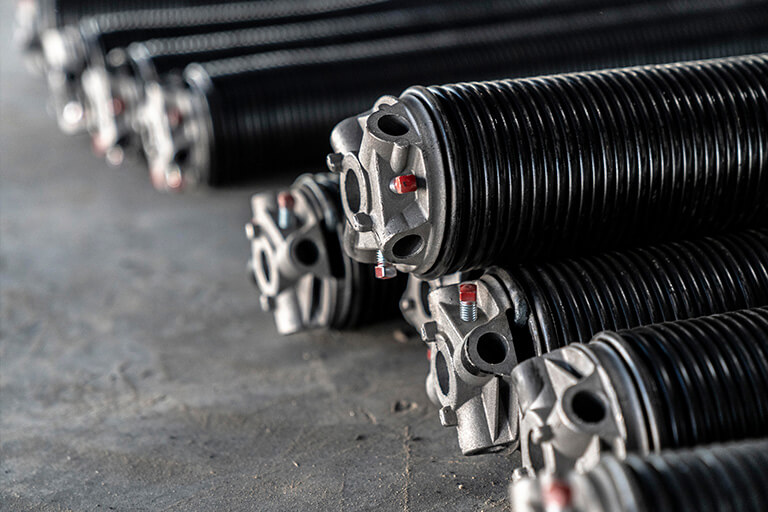
Here’s a crucial point folks often miss: Your garage door springs are doing MOST of the heavy lifting! Seriously. A properly balanced door means the opener only has to manage about 5-15 pounds of actual lifting force. Its main job is to move the door, not lift its entire dead weight. This is why garage door spring repair and garage door spring replacement are so critical.
- Balancing Act: If your springs are worn, broken, or incorrectly sized, the full weight of the door slams onto the opener. That 300lb door suddenly feels like 300lbs to your 3/4 HP motor instead of 10-15lbs. Instant overload.
- Weight Changes Matter: Adding windows, upgrading to a heavier insulated garage door, or even significant weather stripping changes can alter the door’s weight enough to throw off the spring balance. Suddenly, your once-happy opener is struggling.
- The Opener’s Role: The opener relies on those springs being correctly calibrated to the door’s current weight. If the springs aren’t handling their share, the opener suffers.
This is why we at Clearview Garage Doors always check spring tension and balance during any service call or installation. Trying to force an opener to compensate for bad springs is like using a golf cart to tow a semi-truck. It’s not gonna end well, and the cost of ignoring it will be way higher than proper garage door spring services.
When Weight Becomes a Problem (And How We Fix It)
Weight compatibility issues usually pop up during specific situations:
- Upgrading Your Door: Swapping an old single-layer door for a shiny new insulated garage door? Fantastic choice for Denver weather! But that new door is likely heavier. Your old opener might not cut it anymore. We factor this in during every garage door installation quote.
- Changing Openers: Maybe your old chain-drive warrior finally gave up. Just grabbing any replacement opener off the shelf without considering your door’s weight is a recipe for disappointment (or disaster).
- Adding Insulation Aftermarket: Retrofit insulation kits add weight. Enough to potentially push an older door/opener combo over the edge.
- Spring Failure: When a spring breaks, the opener instantly bears the full brunt. Continuing to use it risks immediate opener damage. Garage door spring replacement isn’t optional here.
- Commercial Settings: Commercial garage door repair and commercial overhead door repair constantly deal with heavier, larger doors. Opener compatibility based on weight is non-negotiable for safety and reliability in these settings.
So, what’s the solution if weight and opener clash?
- Upgrade the Opener: The most straightforward fix if your door is heavy and your opener is weak. Invest in a higher horsepower model, preferably a modern DC motor for smoother operation. Yes, the upfront price is higher, but it’s cheaper than replacing burned-out openers every few years.
- Adjust or Replace Springs: If the door itself is appropriate but the springs are wrong or worn, garage door spring replacement or adjustment restores the balance, taking the load off the opener.
- Professional Assessment: Unsure? That’s what we’re here for! We can accurately measure your door’s weight, assess spring condition and balance, and recommend the perfect opener match. Don’t guess – get it right.
Keeping the Weight in Check: Maintenance Matters
Regular garage door maintenance isn’t just about squeaky hinges; it directly impacts how the weight affects your opener:
- Lubrication: Keeping rollers, hinges, and springs properly lubricated reduces friction. Less friction means less effort required from the opener to move the door, even at its given weight.
- Spring Inspections: Catching worn springs before they break prevents that sudden shock load on your opener. Include spring checks in your annual tune-up.
- Track Alignment: Bent tracks create resistance, making the opener work harder to move the door.
- Weather Stripping & Gaskets: While crucial for sealing, heavy-duty or compressed weather stripping and garage door gasket installation can add slight drag. Ensure they’re in good condition but not overly binding.
- Hardware Tightness: Loose bolts or brackets can cause binding, increasing the effective load.
Think of maintenance as giving your opener a fighting chance against the constant pull of gravity on your door’s weight. A little care goes a long way in preventing big repair bills.
Your Burning Questions About Garage Door Weight and Openers (Answered!)
-
“Can’t I just buy the most powerful opener to be safe?”
- You could, but it’s often overkill (and over-cost). An oversized opener on a light door might cycle too harshly, causing unnecessary wear on the door itself. Plus, higher HP openers usually cost more upfront. The goal is the right power for your specific door weight. We can help you find that sweet spot.
-
“How do I even find out how much my garage door weighs?”
- The most accurate way is the manufacturer’s spec sheet (if you have it). If not, you can estimate based on size and material using our table above. For a precise number, especially for heavier or custom doors, contact a professional like us at Clearview Garage Doors. We have the experience (and the strong backs!) to assess it safely. Searching “garage door repair near me” should find someone qualified in Denver.
-
“My opener struggles sometimes but works others. Is it the weight?”
- It could be, especially if it struggles more in cold weather (lubricants thicken) or when the door is wet (adds weight). However, it’s more likely a sign of springs weakening, poor balance, lack of lubrication, or general wear. Don’t ignore it! Get a professional garage door maintenance check to diagnose the real issue before your opener fails completely.
-
“I’m getting new garage doors. How does weight affect the opener choice?”
- Absolutely tell your installer the weight of the new garage doors you’re choosing! This is critical information. A reputable company like ours at Clearview Garage Doors will automatically factor the door weight into the opener recommendation during your garage door installation quote. Don’t let them just sell you a door and an opener separately without confirming compatibility.
Wrapping It Up: Don’t Let Weight Weigh You Down
So, there you have it. Your garage door’s weight isn’t just some random number – it’s the fundamental factor determining whether your opener lives a long, happy life or dies a premature, stressed-out death. Ignoring it leads to frustration, safety concerns, and ultimately, a bigger hit to your wallet in repairs or replacements.
Choosing the right opener horsepower, ensuring your springs are perfectly balanced for that weight, and keeping up with garage door maintenance are the keys to a smooth, reliable, and safe system. Whether you’re dealing with a classic Denver bungalow door or a hefty commercial overhead door, the principle is the same: Match the muscle to the mass.
If you’re scratching your head about your current setup, planning new garage doors, hearing ominous groans from your opener, or just want a pro to check your spring balance and door weight, give us a shout at Clearview Garage Doors. We live and breathe this stuff right here in Denver, and we’re always happy to help you avoid an opener meltdown. Don’t wait for the inevitable groan or bang – get it sorted and enjoy the effortless open and close you deserve!