What Denver Homeowners Really Need to Know About Garage Door Permits (No Boring Legal Jargon, We Promise!)
Okay, let’s chat about something that sounds drier than last week’s toast: garage door permits in Denver. Yawn, right? But hold up! Before you zone out thinking about paperwork and inspectors, hear us out. Skipping this step? It’s like trying to build a snowman in July – messy and destined for disappointment. We’ve seen it all at Clearview Garage Doors, from triumphant installations to “oops” moments that could have been avoided with a simple permit. So, grab a coffee, and let’s break down why this actually matters for your home, safety, and wallet. Trust us, it’s more interesting than it sounds (and way less painful than stepping on a Lego).
Why Bother With a Permit? It’s Not Just Red Tape!
Seriously, why add another step? Well, it’s not just the city being nosy. Permits exist for some pretty solid reasons:
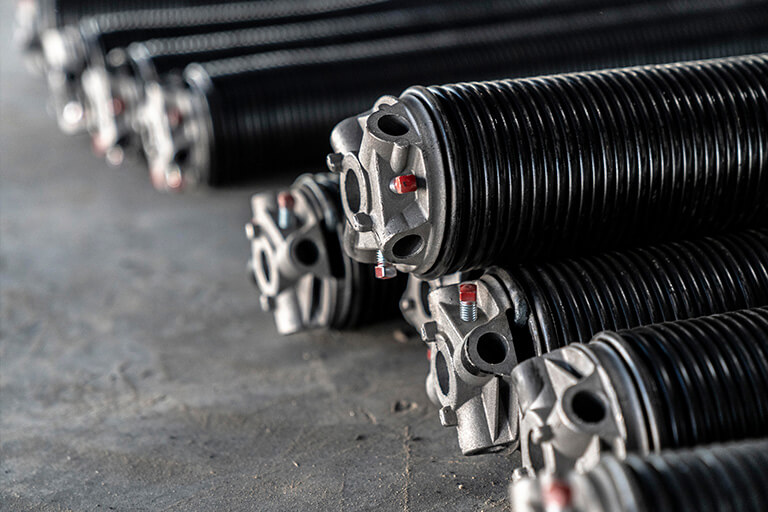
- Safety First, Always: Garage doors are heavy! Like, really heavy. A poorly installed door or faulty spring is a genuine hazard. Permits ensure the work meets strict safety codes so your door doesn’t decide to become a runaway train. We’ve seen the aftermath of failed springs – it’s scary stuff, and garage door spring replacement isn’t a DIY gamble.
- Protecting Your Investment: Your home is likely your biggest asset. Permitted work means it’s done right, protecting your property value. Unpermitted work can bite you later during a sale or insurance claim. Imagine finding out your beautiful new garage doors installation wasn’t permitted – yikes!
- Keeping Things Legal (And Avoiding Fines): Yeah, Denver can enforce this. Getting caught without a permit can mean fines, being forced to tear out the work, or delays when you try to sell. Why risk the headache?
Think of it as a quality check for your biggest moving part. Annoying? Maybe a little. Worth it? Absolutely. Ever wondered why some neighborhoods look… a bit off? Sometimes it’s unpermitted work coming back to haunt folks.
When Does Denver Actually Require a Permit for My Garage? Let’s Get Specific.
Not every tweak needs city approval. Here’s the lowdown based on Denver’s building codes (we’ve navigated these waters a lot):
- Brand Spanking New Garage Door Installation: Yep, putting in new garage doors? That’s almost always a permit trigger. You’re changing a structural opening, and the city wants to ensure it’s safe and up to snuff.
- Replacing the Whole Shebang (Door & Opener): Same as a new install. New door + new opener = permit time.
- Major Structural Changes: Are you enlarging the opening? Moving the framework? Altering the structure? That’s definitely permit territory.
- Electrical Work for Openers: Installing a new opener or significantly rewiring an existing one often requires an electrical permit alongside the building permit. It’s all about safe wiring connections.
- Commercial Projects? Always. If you’re dealing with a commercial garage door repair or commercial overhead door repair, or installing a new commercial door, permits are non-negotiable. The stakes (and potential liabilities) are higher.
When You Might Not Need One (Usually):
- Basic Garage Door Repair: Fixing a panel, replacing rollers or hinges, or even garage door spring repair on an existing, permitted setup? Generally, no permit needed. It’s maintenance, not a structural change. Phew!
- Routine Garage Door Maintenance: Lubing things up, checking balance and safety sensors? Keep up the good work! No permit required.
- Cosmetic Upgrades: Painting your existing door? Adding windows to an existing door panel? Typically permit-free.
- Minor Seal Replacements: Installing a new garage door gasket or weather stripping? Usually considered maintenance.
Pro Tip: When in doubt, call the city. Denver’s Development Services Department can clarify specific projects. Or, you know, just ask us at Clearview Garage Doors – we’re happy to help decipher the rules! We’re your local experts near me in Denver.
Navigating the Denver Permit Process: Don’t Panic, It’s Doable
Okay, so you need a permit. Deep breaths. It’s not Mount Everest. Here’s the typical flow:
- Figure Out What You Need: Is it just a building permit? Electrical too? Check Denver’s website or call them. Be specific about your project (e.g., “residential garage door installation“).
- Gather Your Docs: You’ll likely need detailed plans/specs of the door and opener, proof of who’s doing the work (contractor license if applicable), and property details. Your installer (hopefully us!) usually handles this prep.
- Submit & Pay: Head downtown (or increasingly, online) to submit the application and pay the fee. Ah yes, the cost… permit fees vary based on project value. For a standard garage door installation, expect fees in the $100-$300 range typically. It’s a line item, but factor it into your total project price.
- Review Time: The city checks your plans for code compliance. This can take a few days to a few weeks. Patience is key.
- Get the Green Light (Permit Issued): Once approved, you get your permit. Post it visibly at the job site!
- Inspections: This is the crucial part! An inspector will visit:
- Rough-In: After framing/structural work but before the door goes on (if structural changes happened).
- Final: After the door and opener are completely installed and operational. They check safety, operation, and electrical connections.
- Approval & Closeout: Pass inspection? Congrats! The city closes the permit. Keep this paperwork safe forever – seriously.
Our Hot Take: The inspection isn’t scary; it’s your safety net. A good installer (like, ahem, Clearview Garage Doors) welcomes inspections because we know our work is solid. It’s the fly-by-night guys who sweat bullets.
Common Garage Door Projects & The Permit Scoop: Your Quick Reference
Let’s cut through the confusion on specific jobs you might be considering:
| Project Type | Permit Usually Required? | Why/Why Not? | Clearview’s Advice |
|---|---|---|---|
| New Garage Door Installation | YES | Changing structural opening & safety systems requires verification. | We handle permit paperwork! Factor permit fees into your total price. |
| Garage Door Spring Replacement | NO | Considered repair/maintenance on existing permitted system. | Critical safety job! Don’t DIY. Our garage door spring services are fast & safe. |
| Adding Insulated Garage Doors | YES | Replacing the door itself typically requires a permit, regardless of insulation. | Great upgrade! We love efficient insulated garage doors for Denver’s climate. |
| Garage Door Opener Install | YES (Often Electrical) | Involves new electrical wiring/connections. | Ensure safe wiring. We coordinate permits for seamless installs. |
| Weather Stripping/Gasket Replacement | NO | Routine maintenance to improve efficiency & keep critters out. | Simple fix, big impact on comfort. Call us for quick garage door gasket installation. |
| Commercial Overhead Door Repair | DEPENDS | Major structural/electrical work = YES. Simple repair (e.g., panel) = NO. | Commercial garage door repair complexities? We navigate permits for you. |
What’s the Worst That Could Happen? (Spoiler: It’s Bad)
Tempted to skip the permit? Let’s be real about the risks:
- The Fine Parade: Denver can issue significant fines for unpermitted work. Ouch. That “saved” permit fee suddenly looks tiny.
- The “Do-Over” Nightmare: You might be forced to remove the unpermitted door or opener and start over – with a permit this time. Talk about throwing money down the drain!
- Insurance Woes: If an unpermitted installation causes damage (like a door falling or electrical fire), your insurance company might refuse to cover it. That’s financial ruin territory.
- Selling Your Home? Big Problem: During a sale, unpermitted work can derail the process. Buyers get nervous, lenders get twitchy, and you might have to drop your price significantly or scramble to get retroactive permits (which is harder and more expensive).
- Safety Risks: This is the big one. Without that inspection, you have no guarantee the work was done safely. Garage doors under tension are no joke. Is saving a few bucks worth risking your family’s safety? IMO, nope.
It’s just not worth the gamble. Doing it right the first time is always cheaper and less stressful in the long run. FYI.
How Clearview Garage Doors Makes Your Permit Life Easier (Seriously!)
Look, we get it. Permits are nobody’s idea of fun. That’s where we come in. At Clearview Garage Doors, handling permits is just part of our full-service approach for garage door installation and major projects in Denver. Here’s what we do:
- We Speak Permit-ese: We know Denver’s specific requirements inside and out. No guesswork for you.
- Paperwork Pros: We handle the application, gather the necessary specs (door details, engineering info), and submit it correctly. Less hassle on your end.
- Coordinating Inspections: We schedule the inspections and make sure we’re there when the inspector arrives. You don’t need to take time off work.
- Built to Pass: Because we follow code meticulously every time, our installations pass inspection with flying colors. It’s what we do.
Essentially, we take the headache out of the equation. You get a beautiful, safe new door, and we deal with the city stuff. Win-win! Need help near me? We’re your Denver garage door partner. Give us a shout!
Talking Cost: Permits, Doors, and Getting What You Pay For
Let’s address the elephant in the room: cost. Yes, permits add to the project price. But let’s break it down honestly:
- Permit Fees: As mentioned, for a standard residential garage door installation, budget roughly $100-$300 for the Denver permit. Commercial permits are higher. It’s a direct cost paid to the city.
- Door & Opener Costs: This varies hugely based on size, material (steel, wood, insulated garage doors), style, insulation value (R-value), and opener features. Basic single doors start lower, while custom or high-end doors cost significantly more.
- Installation Labor: This depends on complexity (standard swap vs. structural changes), the crew’s time, and the company’s expertise. You get what you pay for. Cheap labor often means corners cut – maybe even skipping permits!
- The Value of Professionalism: Paying a reputable company like Clearview Garage Doors includes the peace of mind that permits are handled, work is coded, and safety is paramount. Trying to save by skipping permits or hiring the cheapest guy often costs more later.
Our Straight Talk: Factor the permit fee into your overall budget from the start. Investing in a quality door installed correctly with a permit protects your home’s value and your family. It’s not just a line item; it’s part of the investment.
Upgrades, Weatherproofing, and Permits: Where’s the Line?
Thinking about insulated garage doors for better energy efficiency? Smart move in Denver! Or maybe adding new weather stripping? Here’s the permit skinny:
- Replacing with an Insulated Door: Yes, replacing the door itself, even if just swapping like-for-like but upgraded, typically requires a permit because it involves removing and reinstalling the entire door system.
- Adding Insulation to an Existing Door? Generally no permit needed. This is usually considered an interior modification or improvement, not a structural change to the door assembly itself.
- Weather Stripping / Garage Door Gasket Installation: Pure maintenance! Replacing worn seals to keep drafts, water, and pests out is always permit-exempt and a super cost-effective upgrade. Call us for quick garage door gasket installation – it makes a huge difference.
Maintenance & Repairs: Keeping Things Smooth (and Permit-Free)
Regular garage door maintenance is your best friend! It prevents bigger issues and keeps things running safely. The good news? Almost all maintenance and common repairs don’t need permits:
- Tune-ups: Lubrication, balance checks, safety sensor testing – essential and permit-free.
- Garage Door Spring Repair/Replacement: As critical as this safety component is, replacing broken springs on an existing, permitted system is considered a repair, not an installation. No permit needed (but PLEASE hire a pro – garage door spring services are dangerous DIY!).
- Roller/Hinge/Cable Replacement: Standard repairs, no permit.
- Opener Tune-up or Minor Repair: Fixing a misaligned sensor or replacing a gear? Usually permit-free unless major electrical rewiring is involved.
Stick to a solid maintenance schedule, address repairs promptly, and you’ll likely avoid the permit office for these tasks. Win!
Commercial Properties: A Whole Different Ballgame
Hey business owners! Commercial garage door repair, commercial overhead door repair, or new installations operate under stricter rules. Why?
- Higher Traffic & Risk: More people using the door = higher safety stakes.
- Building Codes are Tougher: Fire ratings, wind load ratings, and accessibility requirements are often more stringent.
- Permits are Almost Always Mandatory: Even significant repairs might need one. Don’t assume!
- Inspections are Crucial: Ensuring compliance protects your business, employees, and customers.
Clearview Garage Doors has extensive experience navigating Denver’s commercial permit landscape. We ensure your commercial overhead door project meets all codes and gets inspected properly. Don’t gamble with your business – get the permit.
Your Burning Garage Door Permit Questions Answered (FAQs)
-
“Do I need a permit just to replace my garage door opener?”
- Likely Yes (for the electrical permit). Installing a new opener usually involves new electrical wiring or connections at the unit, which requires an electrical permit in Denver. Replacing just the logic board or a minor component on an existing opener? Probably not.
-
“How long does getting a garage door permit take in Denver?”
- It varies. Simple residential door replacements might be reviewed and issued within a few days to a week or two. Projects involving structural changes or during peak times might take longer. Factor in at least 1-3 weeks for the permit process when planning your project timeline. We build this into our scheduling at Clearview Garage Doors.
-
“Can I get a permit retroactively if work was done without one?”
- Sometimes, but it’s messy and expensive. Denver might allow it, but they’ll require the work to be exposed for inspection (which could mean opening walls), fines, and proof it now meets code. It’s often far more costly and disruptive than doing it right the first time. Avoid this path!
-
“Does replacing a single damaged garage door panel need a permit?”
- Generally No. Replacing a single panel is considered a repair to the existing door system, not a full installation requiring structural changes. It’s permit-exempt maintenance.
Wrapping It Up: Permits Aren’t Fun, But They’re Your Friend
Alright, let’s be honest. Talking permits isn’t as exciting as picking out your gorgeous new insulated garage doors or finally getting that annoying squeak fixed. But hopefully, we’ve shown you it’s not about bureaucracy – it’s about safety, protecting your investment, and avoiding massive headaches down the road.
Think of it as the necessary foundation for a job done right. At Clearview Garage Doors, we see permits as part of our commitment to doing things properly for every Denver homeowner and business owner. We handle the nitty-gritty so you can just enjoy a smooth, quiet, safe garage door.
So, planning a project? Don’t skip the permit step. Get a clear answer on what you need. And if you want a partner who knows Denver codes inside-out, handles the paperwork, and delivers top-notch work that passes inspection every time? You know who to call. Contact Clearview Garage Doors today for a quote and let’s get your project rolling – permits included! Let us be your guide through the sometimes-annoying, always-necessary world of garage door permits. Your future self (and your home) will thank you.