Why Your Garage Door Might Be Your Home’s Secret Energy Leak
Okay, let’s chat about something most of us overlook: that big slab of metal or wood we park our cars under. We bet you’ve spent hours researching energy-efficient windows or top-notch insulation for your Denver home, right? But how often have you stood back and really looked at your garage door? If you’re like most folks we meet at Clearview Garage Doors, probably not much. And that’s a problem because a leaky, inefficient garage door is basically like leaving a window wide open all winter long. IMO, it’s one of the sneakiest ways your hard-earned cash (and cozy heat) escapes. We see it all the time here in the Mile High City, especially with our wild temperature swings. Let’s break down how your garage door impacts your home’s energy efficiency and what you can actually do about it without breaking the bank.
The Science of Garage Doors and Energy Efficiency (It’s Simpler Than You Think!)
Think about it: your garage door is the largest moving part of your house. It’s also often the least insulated, especially if it’s older. When that cold Denver wind whips down from the mountains, or the summer sun bakes your driveway, what happens? Heat pours out in winter and seeps in during summer, making your HVAC system work overtime. Your garage acts as a massive thermal buffer zone. If it’s poorly insulated, it drags down the efficiency of the whole house – especially if your garage shares walls with living spaces or sits below bedrooms.
Here’s a quick comparison of common garage door types and their impact:
| Garage Door Type | Typical R-Value (Insulation Rating) | Impact on Energy Efficiency | Best For | Estimated Cost Factor |
|---|---|---|---|---|
| Uninsulated Steel | R-1 to R-2 | Significant energy loss. Acts like a giant radiator, quickly matching outside temperatures. | Budget-conscious, mild climates (not Denver!). | Low |
| Insulated Steel (Single Layer) | R-6 to R-9 | Good basic efficiency. Noticeable improvement over uninsulated, reduces heat transfer. | Most Denver homes seeking balance of cost & value. | Medium |
| Insulated Steel (Double Layer) | R-12 to R-18 | High efficiency. Significantly stabilizes garage temps, major impact on adjacent home spaces. | Energy-conscious homeowners, harsh climates, attached garages. | Higher |
| Wood (Uninsulated) | R-1 to R-2 | Poor efficiency despite looks. Naturally porous, warps over time creating gaps. | Purely aesthetic focus, detached garages. | High (Material) |
| Wood (Insulated Core) | R-8 to R-12 | Good efficiency with classic look. Requires meticulous maintenance to prevent air leaks. | Those wanting traditional style without sacrificing efficiency. | Highest |
R-value measures resistance to heat flow. Higher = Better Insulation!
We’ve seen countless homes where upgrading an old, uninsulated door made a visible dent in the next heating bill. It’s not just about comfort; it’s about cold, hard cash savings.
Insulated Garage Doors: The Game Changer for Your Wallet and Comfort
Alright, let’s talk insulated garage doors. This isn’t just marketing fluff; it’s physics. An insulated door creates a thermal barrier. The insulation (usually polyurethane or polystyrene foam sandwiched between steel layers) slows down heat transfer dramatically. The result? Your garage stays cooler in summer and warmer in winter. This means:
- Less strain on your HVAC system if your garage is attached.
- A more comfortable space if you use your garage as a workshop, gym, or laundry area (which many Denverites do!).
- Protection for items stored in the garage from extreme temperatures and humidity.
Now, we know what you might be thinking: “But won’t the cost make my eyes water?” Here’s the honest truth from our Denver shop: The upfront price of insulated garage doors is higher than uninsulated ones. But FYI, the long-term energy savings and increased home value absolutely justify it. Think of it as an investment, not just an expense. Plus, they operate quieter and are generally more durable. When homeowners ask us about new garage doors at Clearview Garage Doors, we always steer the conversation towards insulation – because we’ve seen the difference it makes year after year, especially with our local weather.
The Unsung Heroes: Weather Stripping and Garage Door Gaskets
Even the fanciest, most insulated door is a dud if air is whistling around the edges! That’s where weather stripping and garage door gasket installation become absolute superstars. These are the rubber or vinyl seals that run along the sides and top of your door opening and along the bottom of the door itself.
- Bottom Seal: This is the big one. It presses against the garage floor. If it’s cracked, brittle, or missing chunks, cold drafts, dust, leaves, and even pests get a free pass into your garage. Replacing this is often the single most impactful cheap fix.
- Side and Top Seals: These compress against the door when it’s closed. If they’re worn, air flows right through those gaps.
Properly installed and maintained weather stripping is crucial for a tight seal. We perform garage door gasket installation daily at Clearview Garage Doors, and it’s shocking how many homes have seals that are completely shot. Ever feel a draft near your garage entry door into the house? Yeah, that’s often the garage door seals failing their job. 🙂
When Should You Replace Your Weather Stripping?
- Visible damage: Cracks, tears, brittleness, or sections missing.
- Light test: Close the door and look for daylight around the edges (especially the bottom!).
- Draft test: Feel for cool air coming in around the closed door perimeter.
- It’s just old: Rubber degrades over time, especially with UV exposure and temperature extremes. If it’s been more than 5-7 years, inspect it closely.
Neglecting these seals completely undermines the efficiency of even an insulated door.
Garage Door Maintenance: Your Secret Weapon for Efficiency & Longevity
You wouldn’t skip oil changes for your car, right? Well, your garage door needs regular TLC too. Proactive garage door maintenance is the key to keeping it operating efficiently, safely, and smoothly for years. It prevents minor issues from becoming major, expensive headaches (like a full system failure or that dreaded energy leak!).
What does this maintenance include?
- Visual Inspection: Checking cables, rollers, tracks, and hinges for wear, damage, or misalignment.
- Lubrication: Applying garage-door-specific lubricant to rollers, hinges, springs, and bearings (avoid WD-40 for this!).
- Testing Safety Features: Ensuring the auto-reverse sensors work perfectly.
- Checking Balance: An unbalanced door strains the opener and components, leading to premature wear and poor sealing.
- Inspecting Seals: As we just talked about – looking at that weather stripping!
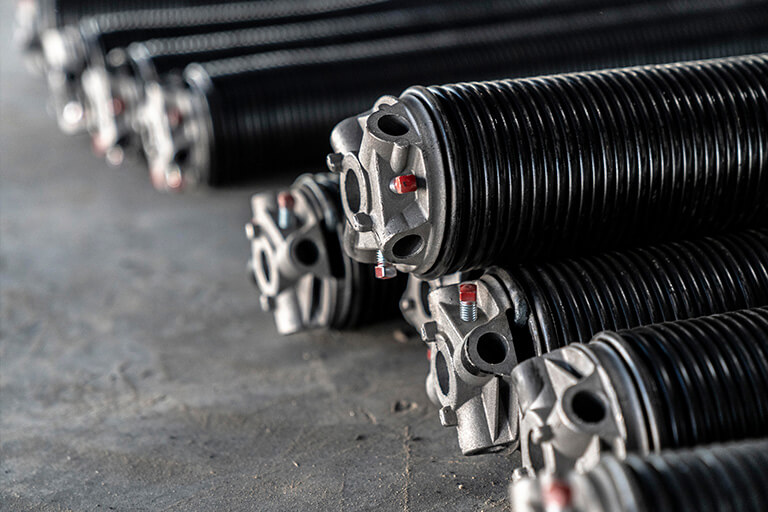
Crucially, this includes paying attention to the springs. Those heavy-duty springs counterbalance the weight of the door. Garage door spring repair or garage door spring replacement is NOT a DIY job – those springs are under immense tension and can be extremely dangerous. We offer comprehensive garage door spring services because we have the training and tools to handle them safely. If you hear loud twanging noises, see a gap in a spring, or your door feels unusually heavy, call pros immediately. Trying to save a few bucks here can lead to serious injury or a door crashing down. Trust us, we’ve seen the aftermath. :/
New Garage Doors vs. Repairs: Making the Smart Call for Denver Homes
So, the big question: When do you bite the bullet and invest in new garage doors, and when does a repair make more sense? Let’s be real, nobody wants to spend money unnecessarily.
-
Repair Makes Sense When:
- The door itself is structurally sound and reasonably modern.
- The issue is isolated: broken garage door spring replacement, damaged panels (sometimes replaceable individually), worn rollers, or failed weather stripping/gaskets.
- The cost of repair is significantly lower than replacement (usually less than half).
- You’re happy with the door’s appearance and basic insulation level.
-
Replacement Makes Sense When:
- The door is old, dented, warped (common with older wood), or has multiple damaged panels.
- It’s uninsulated and you’re facing high Denver energy bills.
- You experience major air leaks even after replacing seals.
- The door is unbalanced, excessively noisy, or constantly needs garage door repair.
- You want a modern look, better security, or smart features.
- Major components like the panels or track system are failing. Garage door installation of a modern, insulated door then becomes the efficient long-term solution.
The bottom line? Weigh the repair price against the long-term benefits and costs of a new, efficient door. Sometimes pouring money into constant fixes on an old clunker is just throwing good money after bad, especially when modern insulated garage doors offer such significant efficiency gains.
The Cost Factor: Repair or Replace?
This is the most common question we get! Honestly, the price varies wildly based on door size, material, insulation level, and complexity. A simple garage door spring replacement or seal fix might cost a few hundred dollars. A full garage door installation with a high-quality insulated door will be an investment in the thousands. The key is getting a professional assessment. At Clearview Garage Doors, we offer free, no-pressure estimates. We’ll tell you honestly whether a repair will solve your efficiency woes or if an upgrade is the smarter play for your Denver home and budget. Don’t just search “garage door repair near me” – find a trusted local expert who understands efficiency.
Why Denver Homeowners Need to Be Extra Vigilant
Look, Denver’s climate is amazing… but it’s also kinda tough on homes! Our dramatic temperature swings – think freezing nights followed by 60-degree afternoons in winter, or intense summer sun – put immense stress on building materials. Seals dry out and crack faster. Metal contracts and expands. Insulation becomes even more critical. Plus, our altitude means stronger UV radiation, which degrades rubber and fades finishes quicker.
A poorly performing garage door is far more than just an annoyance here; it’s a genuine energy drain. Whether it’s a historic bungalow in Cap Hill or a new build in Stapleton, that garage door efficiency matters. That’s why we focus so intently on proper insulation, sealing, and maintenance at Clearview Garage Doors. We live and work here too – we get it! We handle everything from residential garage door repair to commercial garage door repair and commercial overhead door repair for local businesses, because efficiency impacts everyone’s bottom line. Need help with a tricky garage door spring repair or want an expert opinion on whether your door is costing you? We’re your Denver neighbors.
Frequently Asked Questions About Garage Doors and Energy Efficiency
-
Q: How much energy can I actually save with an insulated garage door?
A: It varies based on your climate, home layout, and old door, but studies and our own experience show reductions in heat loss/gain of 20% or more for the garage space. If your garage is attached, this can translate to measurable savings on your overall home heating/cooling bills, especially in extreme climates like Denver. The insulation also protects belongings from temperature damage. -
Q: Is it worth insulating an old, uninsulated garage door?
A: Sometimes, but often not ideal. Retrofit insulation kits exist but can be messy, may void warranties, rarely achieve the R-value of a factory-insulated door, and might affect the door’s balance. For most homeowners, replacing the door with a properly insulated one is the more effective and reliable long-term solution. -
Q: How often should I schedule professional garage door maintenance?
A: We recommend a professional tune-up at least once a year. Think of it like an annual physical for your door! This ensures safety features work, components are lubricated and adjusted, and potential problems (like worn springs or fraying cables) are caught early before they fail. Preventative maintenance is far cheaper than emergency repairs. -
Q: Can I install weather stripping or replace a spring myself?
A: Replacing weather stripping (especially the bottom seal) is often a manageable DIY project if you’re handy. However, garage door spring replacement is HIGHLY DANGEROUS and should ONLY be done by trained professionals. The springs are under extreme tension; improper handling can cause serious injury or death. Always call a qualified technician for spring work, track issues, or cable repairs.
Wrapping It Up: Don’t Let Your Garage Door Be the Weak Link!
So, there you have it. That big door you probably only think about when the opener acts up? It’s a major player in your home’s energy efficiency, comfort, and even your monthly bills. Ignoring it is like wearing a down jacket with the zipper busted open in January – kinda defeats the purpose! Investing in proper insulation, sealing, and maintenance isn’t just about the garage; it’s about your whole home’s performance.
Whether you need a simple garage door gasket installation to stop that annoying draft, a critical garage door spring replacement, or you’re ready to explore the benefits of modern insulated garage doors, taking action pays off. We’ve helped countless Denver homeowners stop throwing money out the (garage) door. If your energy bills feel high, or your garage feels like an icebox/sauna, maybe it’s time to give yours a closer look.
Ready to boost your home’s efficiency and stop wasting energy? The team at Clearview Garage Doors is right here in Denver. We offer expert assessments, honest advice on cost vs. benefit, and top-notch service for everything from garage door repair to commercial overhead door repair and full garage door installation. Don’t just wonder if your door is the problem – find out! Give us a call or swing by. Let’s make your garage work for you, not against you.