The Unseen Heroes of Your Garage: Why Safety Sensors Deserve Your Attention
Hey Denver neighbors! Let’s chat about something we all take for granted until it stops working: those little magic eyes at the bottom of your garage door. You know, the sensors that prevent your door from squashing Fido, your kid’s bike, or—yikes—your neighbor’s kid. At Clearview Garage Doors, we’ve seen it all, and trust us: ignoring these tiny guardians is like trusting a Colorado hailstorm not to dent your car.
What Are Safety Sensors & Why Should We Even Bother?
Garage door safety sensors are your home’s unsung bodyguards. They’re typically two small units mounted near the floor on either side of your door, shooting an invisible infrared beam across the opening. If anything breaks that beam while the door’s closing—whether it’s a stray basketball or your overly curious cat—the door halts and reverses. No compromises.
Why care? Well, beyond avoiding lawsuits or guilt trips, they’re federally mandated for all garage doors manufactured after 1993. Skipping them isn’t just reckless; it’s illegal. And in Denver, where garages double as storage units, gyms, and man caves, we need these lifesavers more than ever.
How These Little Ninjas Actually Work
Ever wonder how these unassuming gadgets pull off such a critical job? Let’s break it down:
- The Beam of Justice: One sensor emits an infrared beam; the other receives it. Simple, right?
- The “Oh Crap” Moment: If the receiving sensor doesn’t detect the beam, it screams (electronically) at your garage door opener: “STOP! ABORT MISSION!”
- The Reversal: Your door immediately halts and retreats upward.
Pro Tip: Test yours monthly. Close your door and wave a broomstick through the beam. If it doesn’t reverse? Houston, we have a problem.
Common Sensor Meltdowns (and How to Fix Them)
Even heroes have bad days. Here’s what usually goes wrong:
Misalignment: The Usual Suspect
Wind, a rogue snow shovel, or that time you backed into the sensor (we’ve all been there) can knock these units out of sync. Symptoms? A blinking light or a door that refuses to close.
Quick Fix:
- Check if the sensors face each other squarely.
- Gently adjust them until both lights glow steady (usually green or amber).
Dirty Lenses: Denver’s Dusty Revenge
Our glorious Rocky Mountain air brings pollen, dust, and construction grit. A grimy lens can block the beam.
Solution: Wipe lenses with a microfiber cloth. No Windex—streaks confuse the sensors!
Wiring Woes & Power Problems
Rodents, weather, or age can fray wires. Or maybe the sensors just lost power.
DIY Check:
- Inspect wires for chew marks or corrosion.
- Ensure the sensors are plugged into the opener (sounds obvious, but you’d be surprised).
When to call pros like us: If tweaking doesn’t work, or you’re staring at wires like they’re IKEA instructions.
Why “Just Fixing It Yourself” Might Backfire
Look, we love DIY spirit. But when it comes to safety systems, amateur hour can have real consequences. At Clearview Garage Doors, we’ve rescued countless Denver folks who turned a $150 sensor fix into a $600 opener replacement. Why risk it?
- Calibration is tricky: Sensors need precise alignment. A millimeter off, and they’re useless.
- Electrical gremlins: Messing with wires can fry your opener.
- Time vs. money: You’ll waste a Saturday. We’ll fix it in 30 minutes.
FYI: Our Denver team handles sensor issues daily—it’s one of our most common “garage door repair” calls. And yes, we’re local, so searching “garage door repair near me” actually finds humans who show up on time. 🙂
Beyond Sensors: Your Garage’s Full Safety Toolkit
Sensors are stars, but they’re not solo artists. Keep these in play too:
- Auto-Reverse Mechanism: Tests if the door reverses under resistance (place a 2×4 under the door when closing).
- Weather Stripping & Gaskets: Keep moisture and pests out, which can chew through sensor wires. Ask us about garage door gasket installation!
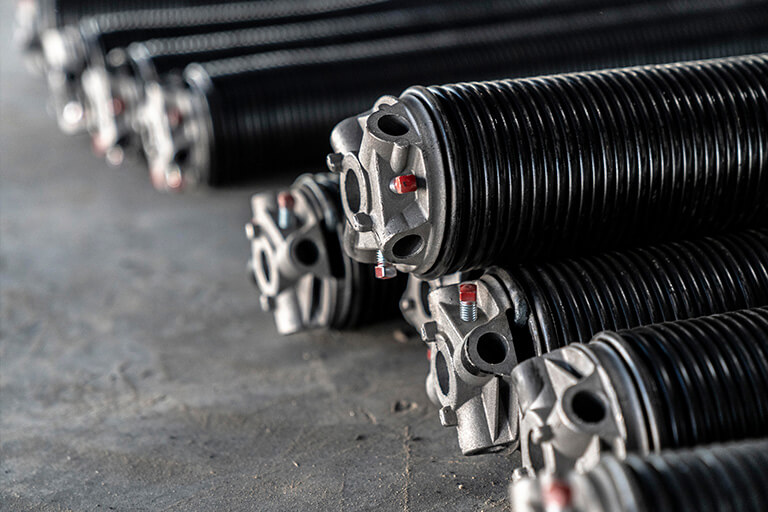
- Spring Maintenance: A snapped spring can turn your door into a guillotine. Garage door spring replacement isn’t a DIY project—ever.
Denver-Specific Tip: Insulated garage doors aren’t just for temperature control. They’re sturdier, quieter, and protect sensors from extreme cold.
Commercial Doors: Where Sensors Are Non-Negotiable
If you run a Denver business, commercial overhead door repair isn’t just about convenience—it’s liability prevention. A malfunctioning sensor in a warehouse or auto shop could injure employees or damage inventory. We handle commercial garage door repair with industrial-grade parts and compliance checks. Because OSHA fines? Oof.
The Cost of Complacency vs. The Price of Peace of Mind
Let’s talk numbers. We know “cost” matters, but consider:
- Sensor repair/replacement: Typically $150-$300 with us. Cheap compared to an ER visit.
- Full safety tune-up: Includes sensor check, spring inspection, and weather stripping review ($99-$199).
- New garage doors: With modern safety features, insulated garage doors start around $1,000.
Hot Take: Skipping garage door maintenance to save $100 is like skipping oil changes to save $30. Eventually, it will bite you.
When to Upgrade: Smart Sensors & Modern Magic
Older doors might have clunky sensors. New models offer:
- Wi-Fi alerts: Get a notification if the beam’s interrupted.
- Battery backups: Power outages won’t disable safety features.
- Enhanced durability: For Denver’s moody weather.
Considering garage door installation? We’ll integrate sensors seamlessly. And yes, we’re obsessed with insulated garage doors—they save energy and reduce sensor freeze-ups.
Your Safety Sensor FAQs (No Fluff, We Promise)
1. Can I disable my sensors “just for now”?
Nope. Not only is it dangerous, but modern openers won’t operate without a functioning sensor signal. It’s like removing your car’s brakes because they squeak.
2. Why do my sensors work sometimes but not others?
Usually dirt, loose wiring, or sunlight interference (yes, direct Colorado sun can blind infrared beams!). We can install sunshades or reposition units.
3. Are commercial sensors different from residential ones?
Yes! They’re heavier-duty, weather-resistant, and often hardwired. Don’t cut corners—commercial garage door repair requires expertise.
4. How often should sensors be serviced?
Once a year, ideally during spring garage door maintenance. We’ll test sensors, lubricate parts, and spot spring wear (cough garage door spring services cough).
Wrapping Up: Don’t Gamble With Gravity
Garage doors are the heaviest moving object in your home. Sensors are the only thing standing between “convenience” and “catastrophe.” At Clearview Garage Doors, we’ve patched up enough near-misses in Denver to know: safety isn’t an upgrade—it’s the baseline.
So, if your sensors are blinking like a disco ball, your door reverses for no reason, or you just want peace of mind, give us a shout. We’re local, we’re obsessed with details, and we’ll keep your garage—and everything in its path—safe.
Stay safe, Denver. And remember: Your garage door shouldn’t be the most exciting part of your day. 😉
[Contact Clearview Garage Doors for a safety check today—we’ll keep you rolling smoothly.]