How We Keep Our Garage Doors From Freezing Solid (Colorado Winter Survival Guide)
Okay, fellow Coloradans, let’s talk reality. One minute it’s a balmy 60 degrees, the next we’re digging out from a foot of powder. And right there on the front lines? Your poor garage door. It takes a beating! We’ve seen more garage doors than we can count here at Clearview Garage Doors in Denver throw in the towel by February because folks just didn’t prep ’em. Don’t let that be you. Winterizing isn’t just nice-to-have; it’s essential armor against our brutal winters. Let’s make that big door your home’s cozy, efficient shield.
Why Bother? (Spoiler: It’s More Than Just Cold Fingers)
Ever step into your garage in January and feel like you walked into a walk-in freezer? That’s your energy bills skyrocketing and your poor heater working overtime. A drafty, uninsulated garage door is basically inviting the Arctic air right into your house’s flank. It makes your car harder to start, can freeze pipes running through the garage, and let’s be honest – scraping ice inside your garage is a special kind of misery. Plus, cold makes things brittle. Springs snap easier, rollers seize up… it’s a recipe for needing garage door repair when you least want it (like at 7 AM in -10°F). Investing a little time now saves major headaches (and cash!) later.
Your Winterization Battle Plan: Step-by-Step
Think of this as giving your garage door a warm winter coat and a good check-up. Here’s how we tackle it:
H2: Seal Those Pesky Drafts (Weather Stripping is Your BFF)
Cold air sneaks in around the edges like a ninja. Your first defense? Weather stripping.
- Bottom Seal (The BIG One): This rubber strip along the bottom of your door takes the most abuse. Get down there. Is it cracked, brittle, or missing chunks? If light shines under the door when it’s closed, it’s game over. Replacing this (garage door gasket installation, if we’re being fancy) is crucial. It’s often a DIY job, but if you’re unsure, companies like ours (Clearview Garage Doors!) handle it fast. Pro Tip: Get a thick, commercial-grade seal for our Denver winters – the flimsy stuff won’t cut it.
- Side & Top Seals: Check the vinyl or rubber seals along the vertical tracks and the top of the door frame. Are they snug? No gaps? Press them back into place if loose, or replace if damaged. A tight seal keeps snowdrifts and icy wind from blowing in.
H2: Insulate Like Your Energy Bill Depends On It (Because It Does)
An uninsulated garage door is basically a giant, thin metal (or wood) radiator… radiating cold into your garage. Insulated garage doors are the gold standard, but if you don’t have one yet, retrofitting is smart.
- Retrofit Kits: These DIY foam board or reflective panel kits slot into the sections of your existing door. They make a HUGE difference in temperature stability. FYI, the cost is way less than a new garage door installation, and it significantly boosts efficiency. We often recommend this as a first step before a full replacement.
- The Upgrade Path: If your door is old, single-layer, or constantly needing repairs (garage door spring repair, anyone?), investing in a new insulated garage door is a game-changer. Modern doors have polyurethane foam cores that seriously lock in heat (or cool in summer!). We install these beauties all over Denver and the difference in garage temps (and homeowner satisfaction) is massive. Wondering about the price? It varies, but think long-term energy savings and comfort.
H2: Lubricate & Tighten: Prevent the Cold Snap (Literally)
Cold makes metal contract and lubricants thicken or gum up. This is prime time for garage door spring replacement or seized rollers if things aren’t moving smoothly.
- Lube the Moving Parts: Use a silicone-based lubricant (not WD-40 – that attracts gunk!). Hit the rollers, hinges, and the garage door springs (carefully!). Also, lubricate the lock and any latches. Do this before the deep freeze hits. Smooth operation prevents sudden, expensive failures.
- Tighten Hardware: Vibrations loosen things over time. Grab a socket wrench and carefully check bolts and screws on roller brackets, track supports, and hinges. Don’t over-tighten! Just snug them up. Loose hardware leads to misalignment and wear – major causes for needing commercial overhead door repair or residential fixes.
H3: Don’t Forget the Opener & Sensors
- Check Safety Sensors: Those little eyes near the floor ensure the door reverses if something’s in the way. Snow, ice, or debris can block them. Keep them clean and aligned! A door that doesn’t reverse properly in winter is a safety hazard.
- Opener Care: Ensure the motor housing is secure. Listen for any unusual grinding or straining noises – cold can exacerbate existing issues. Regular garage door maintenance includes checking the opener’s force settings (consult your manual) to ensure it can handle the slight extra resistance cold weather might cause.
When to Wave the White Flag & Call the Pros (Like Us!)
Look, we’re all for DIY spirit. But some things? They scream “call Clearview Garage Doors“:
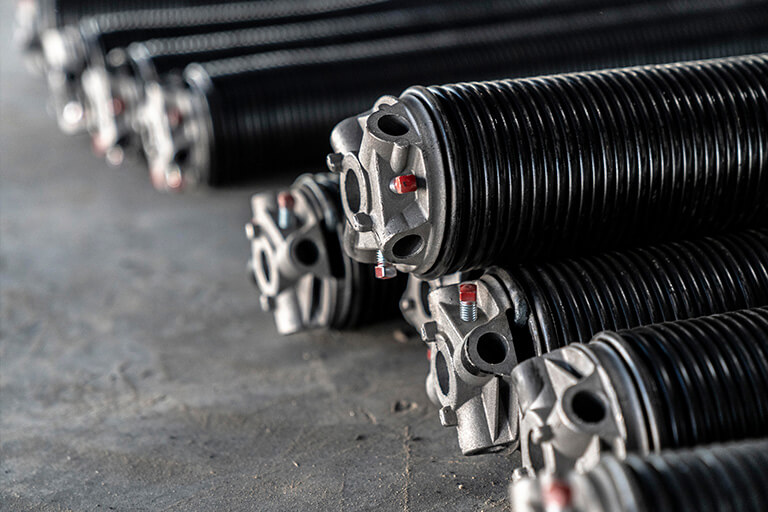
- Spring Issues: If you hear a loud “BANG!” or the door feels incredibly heavy/lopsided, STOP. Those torsion or extension springs are under insane tension. Garage door spring replacement is 100% a job for trained technicians (like ours!). Seriously, don’t risk it. We handle garage door spring services safely every day.
- Major Seal Failures or Insulation Projects: If replacing the bottom seal looks complex or your door needs serious insulation help, getting it done right saves time and ensures effectiveness.
- Persistent Problems: If the door is noisy, jerky, won’t close evenly, or you suspect track misalignment – especially after winter weather hits – professional garage door repair is the smart move. This goes double for commercial garage door repair – downtime costs businesses money!
- Considering a New Door: Wondering about new garage doors or the cost of an upgrade? We offer free estimates right here in Denver. No pressure, just honest advice on the best insulated doors for your home and budget.
Garage Door Winter Prep Quick Reference Table
| Area to Address | What to Do | DIY Friendly? | Why It Matters for CO Winter | Potential Cost Saver |
|---|---|---|---|---|
| Bottom Weather Seal | Inspect & Replace if cracked/brittle | ✅ (Usually) | Blocks snow, ice & drafts under door | Prevents frozen floors & higher heating bills |
| Side/Top Seals | Check & secure vinyl/rubber strips | ✅ | Stops wind-driven snow & icy drafts | Keeps garage temps stable, protects stored items |
| Insulation | Add retrofit panels or install new insulated door | ⚠️ (Retrofit: Maybe / New Door: ❌) | Turns door into a thermal barrier, not a radiator | Slashes energy costs year-round |
| Lubrication | Apply silicone lube to rollers, hinges, springs | ✅ | Prevents metal-on-metal grinding & seizing | Avoids costly spring/roller replacements |
| Hardware Check | Tighten bolts & screws on tracks/brackets | ✅ | Ensures smooth operation under stress | Prevents misalignment & track damage |
| Sensors & Opener | Clean sensors, check motor noise | ✅ | Ensures safety & reliable operation | Avoids emergency “won’t close!” calls in a storm |
Your Burning Winter Garage Door Questions (Answered!)
-
Q: How much does it actually cost to winterize my garage door?
A: DIY basic steps (lube, tightening, checking seals) cost almost nothing but your time. A new bottom seal kit might run $30-$60. Retrofit insulation panels range from $150-$400 depending on door size and quality. A professional tune-up (garage door maintenance) typically costs $100-$200 and covers lubrication, adjustments, and safety checks – often worth it for peace of mind. Full garage door spring replacement or new garage doors are bigger investments but solve underlying problems. -
Q: Can I just use my old garage door if it’s not insulated?
A: Sure, you can… just like you can wear flip-flops in a blizzard! IMO, it’s miserable and inefficient. An uninsulated door makes your garage freezing, hikes heating costs for rooms above/adjacent, and offers zero protection for anything stored inside. Retrofitting or upgrading to an insulated garage door is one of the best winter prep moves you can make in Denver. -
Q: My door is making horrible noises when it’s cold! What’s wrong?
A: Cold stiffens lubricant and contracts metal, amplifying any existing friction. First, try lubricating the rollers, hinges, and springs (safely!) with silicone spray. If the screeching or grinding persists, it likely indicates worn rollers, dry bearings, or potentially spring tension issues. Don’t ignore it – that noise is a cry for help! Get a pro (garage door repair near me, perhaps?) to diagnose before a small problem becomes a commercial overhead door repair-sized bill. -
Q: I have a commercial space. Is winter prep different?
A: The principles (sealing, lubrication, hardware checks) are similar, but scale and importance are amplified. Commercial garage door repair is often more urgent – downtime impacts business! Larger doors experience more stress. Seals need to be extra durable. Springs are heavier duty. We specialize in commercial overhead door repair and preventative maintenance plans to keep your business running smoothly, even in the deepest freeze. Proactive care is even more critical for commercial properties.
Wrapping It Up (Before Your Pipes Do!)
So, there you have it. Winterizing your garage door isn’t rocket science, but it is essential Colorado homeowner (or business owner!) wisdom. A few hours of effort now – sealing drafts, lubricating parts, maybe adding insulation – saves you from frozen frustration, sky-high energy bills, and that dreaded 6 AM garage door spring replacement emergency when it’s -5°F outside.
Think of it as giving your garage door a fighting chance against our epic winters. If the DIY route feels daunting, or you spot issues like damaged springs or a seriously outdated door, that’s where we come in. Clearview Garage Doors is right here in Denver, ready to help with anything from a quick seal replacement to a full garage door installation of a beautiful, energy-efficient insulated model. We keep your door (and you) running smoothly all winter long.
Don’t wait for the first big blizzard to realize your garage door isn’t ready. Get out there this weekend, give it some TLC, and enjoy a warmer, quieter, more efficient winter. Your garage (and your wallet) will thank you! Need a hand? You know who to call. 🙂