How To Avoid Common Garage Door Installation Mistakes (And Save Yourself a Headache)
Okay, let’s be real for a second. Installing a garage door? It looks straightforward. Roll up the panels, hook up the springs, connect the opener, boom – done. Right? Wrong. If only it were that simple. We’ve seen it all here at Clearview Garage Doors in Denver – the DIY disasters, the “almost got it” attempts, and the “why is my brand-new door crooked?” calls. Trust us, some mistakes are way more common (and way more costly) than you’d think. And honestly, nobody wants to pay for garage door repair when they just shelled out for new garage doors.
So, let’s grab a coffee (or your beverage of choice) and chat about the big pitfalls to avoid. We’re sharing this because, well, we genuinely love seeing garage doors work perfectly and hate seeing folks waste time and money. Plus, avoiding these blunders means you might actually enjoy your new setup instead of cursing it. Ready?
Why Measuring Twice (Or Thrice!) Isn’t Just a Saying
Seriously, folks. This is the foundation of everything. Get your measurements wrong at the start, and nothing else will go right. It’s like building a house on sand – eventually, it’s gonna tilt, bind, or just plain fall down.
- The Opening is King: Don’t just measure the width and height once. Measure it in multiple spots – top, middle, bottom, both sides. Old openings can warp, foundations shift (hello, Denver soil!), and you need the smallest measurement to ensure the door fits without binding. Guesswork here leads to expensive adjustments later. Or worse, a door that won’t fit at all. Talk about a frustrating Saturday project!
- Headroom & Sideroom Aren’t Optional: Your opener needs space above the opening (headroom), and the tracks need space on either side (sideroom). Forget to check these against the door model and opener requirements? You might find yourself needing major structural modifications. Not exactly a quick fix. Always consult the manufacturer’s specs religiously. IMO, this is where most DIYers trip up first.
- Track Radius Matters: Especially for sectional doors. The curve of the track needs the right clearance above the opening. Mess this up, and your door panels won’t transition smoothly from vertical to horizontal. You’ll hear scraping, binding, and eventually, damage. Ever heard a garage door scream? It’s not pleasant.
Bottom Line: A tape measure is cheaper than a call to us for commercial overhead door repair or residential fixes later. Measure meticulously, then measure again. If you’re unsure, getting a pro like us at Clearview Garage Doors out for a quick measure in the Denver area is a smart investment.
The Spring Situation: Handle With Extreme Caution (Or Better Yet, Don’t!)
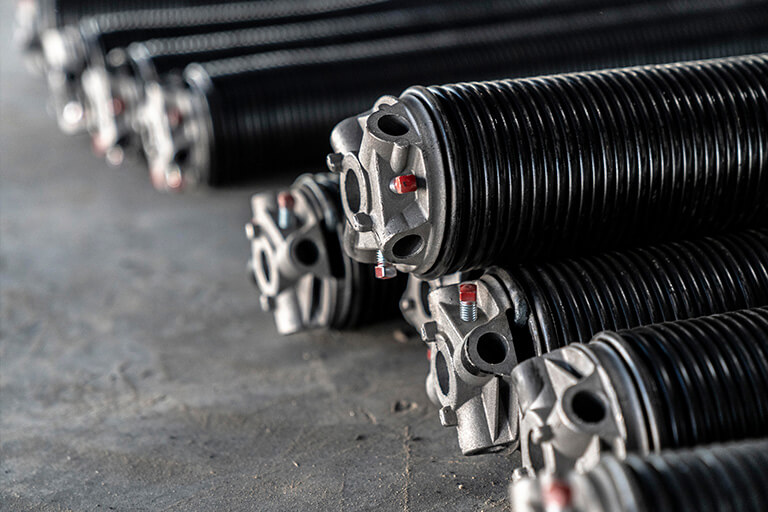
Ah, garage door springs. Those tightly wound coils of potential energy… and potential disaster. Garage door spring repair and garage door spring replacement are among our most frequent calls for a reason. These things are under insane tension.
- They’re Not DIY-Friendly: We cannot stress this enough. Unless you have specific training and the exact right tools (winding bars, not screwdrivers!), do not touch torsion springs. Seriously. A snapped spring can cause severe injury or death. It’s not worth the risk. Even extension springs can pack a nasty punch if they fail. Leave spring work to professionals trained in garage door spring services. Because who doesn’t love a surprise trip to the ER? (That’s sarcasm, folks. Please don’t risk it.)
- Matching Spring Weight is Crucial: Springs are calibrated to the exact weight of your door. Use the wrong size or tension? Your opener will strain, wear out prematurely, or the door won’t balance properly. An unbalanced door is a safety hazard and puts stress on every component. Getting the right spring isn’t a suggestion; it’s mandatory.
- Lifespans Vary: Torsion springs typically last 7-10 years (cycles, not just time). If you’re replacing an old door, don’t assume the old springs are fine. Factor garage door spring replacement into your cost planning for new garage doors.
Bottom Line: Respect the springs. Treat them like live electrical wires. For anything involving springs – installation, adjustment, replacement – call a certified technician. It’s the single smartest safety decision you’ll make. FYI, Clearview Garage Doors handles spring work daily – safely and efficiently.
Ignoring the Elements: Weather Stripping & Seals Are Your Friends
You wouldn’t leave your front door wide open in a Denver winter, right? A poorly sealed garage door is basically doing the same thing. Drafts, dust, pests, and moisture love a gap.
- Bottom Seal is Priority #1: This rubber gasket (often called a garage door gasket) runs along the bottom of the door and seals against the floor. If it’s cracked, missing, or poorly installed, you get all the weather, dirt, and critters marching right in. Garage door gasket installation needs to be precise – cut cleanly, secured firmly, and making full contact across the entire width. A floppy seal is a useless seal.
- Top and Side Seals Matter Too: Weather stripping along the top and sides of the frame seals the gaps when the door is closed. Over time, it compresses or cracks. When installing a new door, ensure this is fresh, pliable, and installed snugly against the door edges. Old, brittle stripping won’t cut it.
- Insulation Isn’t Just for Walls: Thinking about insulated garage doors? Especially here in Denver with our temperature swings, it’s a game-changer. It keeps your garage warmer in winter, cooler in summer (making it more usable space), reduces noise, and can even help with home energy efficiency. Don’t just think about the door panel insulation; ensure the perimeter seals are top-notch too. Otherwise, the insulation’s effectiveness plummets.
Bottom Line: Sealing isn’t an afterthought; it’s integral to the door’s function and your comfort. Skimping here leads to higher energy bills, a dirty garage, and potential moisture damage. Invest in good quality seals and proper weather stripping during installation.
Underestimating the Tracks and Hardware
Those tracks guiding the door? Those rollers, hinges, and brackets? They might seem like simple metal parts, but their alignment and quality are critical.
- Level and Plumb is Non-Negotiable: Tracks must be perfectly vertical (plumb) on the sides and perfectly level across the top. Even a slight deviation causes the rollers to bind, creating friction, noise, and premature wear. Use a quality level during installation – don’t eyeball it! An unlevel track guarantees operational problems down the line.
- Secure Mounting is Key: Brackets holding the tracks to the wall and ceiling need to be anchored securely into solid framing (studs, headers), not just drywall. A track coming loose under tension is dangerous and damaging. Don’t use wimpy fasteners. Go sturdy.
- Lubrication is Your Friend (Later): While you shouldn’t overlube brand-new components, remember that garage door maintenance includes periodic lubrication of rollers, hinges, and springs (by a pro for springs!) with a silicone or lithium-based lubricant. Avoid WD-40; it attracts dirt. Properly aligned tracks with lubricated rollers run smoothly and quietly for years.
Bottom Line: Precision in track installation prevents a world of headaches. Rushing this step leads to noisy operation, broken rollers, damaged panels, and frequent service calls. Take the time to get it right.
The Opener Oversight: It’s Not Just an Accessory
Slapping any old opener onto your shiny new door is a recipe for trouble. Compatibility and safety are paramount.
- Horsepower Needs to Match: A single-car, non-insulated door needs less muscle than a heavy double-car insulated garage doors. Undersized openers strain, overheat, and die young. Oversized ones are just wasteful. Match the opener’s horsepower and lifting capacity to your door’s weight and size.
- Safety Reversals Are NOT Optional: Modern openers have safety features (sensors and force settings) that reverse the door if it hits an obstruction. Test these rigorously after installation. Place a block of wood (like a 2×4) on the floor where the door closes. When the door touches it, it must reverse immediately. If it doesn’t, it’s dangerously unsafe, especially for kids and pets. Adjust the force settings according to the manual.
- Secure Mounting (Again!): The opener motor unit needs to be securely bolted to a sturdy ceiling bracket. Vibration from a loose unit damages components and is annoyingly loud. Ensure the rail is straight and properly connected.
Bottom Line: Your opener is the brain and brawn of the system. Choosing the right one and installing it correctly ensures safe, reliable, and long-lasting operation. Don’t treat it as an afterthought.
DIY vs. Pro: Knowing Your Limits (And Your Wallet)
We get it. The allure of saving money on installation cost is strong. But let’s be brutally honest:
- Complexity is Real: Garage doors are heavy, under high tension, and require precise alignment and specific tools. What looks simple in a YouTube video often glosses over critical safety steps and nuances.
- Safety Risks are High: As we hammered home with springs, the risk of serious injury is significant. Falling doors, snapping cables, flying springs… it’s not worth the gamble.
- Hidden Costs Add Up: Mistakes made during DIY installation often lead to:
- Damaged doors or panels (expensive to replace).
- Premature opener failure.
- Misalignment causing constant repairs.
- Voided manufacturer warranties (many require professional installation).
- The ultimate cost: Calling a pro like Clearview Garage Doors for garage door repair to fix the botched job, which often costs more than professional installation would have upfront.
- Pros Bring Expertise (and Warranty): Professional installers like our team at Clearview Garage Doors have the training, experience, specialized tools, and knowledge of local Denver building codes (like wind-load requirements). We get it right the first time, ensure safety, and typically offer a labor warranty on the installation. That peace of mind has real value.
Common Installation Mistake Comparison Table
| Mistake | Likely Consequence | Potential Cost Impact | Professional Solution |
|---|---|---|---|
| Incorrect Measurements | Door binds, won’t close, tracks misaligned | High – Adjustments, potential door replacement | Precise site measurement before ordering/installation |
| Improper Spring Handling | Door imbalance, opener strain, safety hazard | Very High – Spring replacement, opener repair, injury | Mandatory professional garage door spring replacement & calibration |
| Poor Weather Sealing | Drafts, pests, moisture damage, energy loss | Medium-High – Increased bills, damage repair, re-sealing | Correct garage door gasket installation & weather stripping during initial install |
| Unlevel/Unplumb Tracks | Noisy operation, binding rollers, premature wear | Medium – Track realignment, roller/hinge replacement | Laser-level precision during installation ensures smooth operation |
| Opener Mismatch/Error | Opener burnout, unsafe operation (won’t reverse) | Medium-High – Opener replacement, safety risk | Matching opener HP to door weight, rigorous safety sensor & force testing |
| DIY Beyond Skill Level | Multiple failures, voided warranty, safety hazards | Very High – Costly repairs, potential injury | Professional installation from the start saves time, money, and stress |
Bottom Line: Be realistic about your skills. For complex tasks (especially springs) or if you have any doubts, hire a professional. The upfront price of professional garage door installation is often far less than the total cost of fixing a DIY mistake. Searching “garage door installation near me” or “commercial garage door repair near me” for businesses like ours is a smart move for complex jobs.
Don’t Forget the Tune-Ups: Garage Door Maintenance is Key
Even a perfectly installed door won’t stay perfect forever. Think of it like a car.
- Regular Checks Save Money: A quick visual inspection every month or so can catch small problems (loose bolts, frayed cables, worn rollers) before they become big, expensive repairs (garage door spring repair, cable replacement, panel damage).
- Listen and Feel: Does the door sound louder or rougher than usual? Does it hesitate or jerk? These are early warning signs something’s off.
- Professional Maintenance: Consider an annual or bi-annual professional tune-up. We offer garage door maintenance plans at Clearview Garage Doors. A pro can spot issues you might miss, tighten hardware, lubricate appropriately, test safety features, and ensure everything is balanced and safe. It’s preventative medicine for your garage door and far cheaper than emergency commercial overhead door repair or residential fixes.
Bottom Line: Installation is just the start. Regular care keeps your door safe, quiet, and operating smoothly for years, protecting your investment in those new garage doors.
Wrapping It Up: Your Smooth-Running Garage Door Awaits
Phew! That was a lot, but hopefully, it gives you a clear picture of where things commonly go sideways during garage door installation. Avoiding these mistakes boils down to:
- Precision Measurement: No guessing allowed.
- Spring Respect: Seriously, call the pros (like us!) for anything spring-related.
- Seal the Deal: Quality weather stripping and garage door gasket installation keep the elements out.
- Track Perfection: Level, plumb, and secure.
- Opener Savvy: Match it right and test safety features.
- Know Your Limits: DIY is great for painting, maybe not for torsion springs.
- Maintain It: Don’t just install and forget.
Getting your garage door installed correctly the first time saves you frustration, time, and a whole lot of money down the road. Whether it’s a cozy single-car door or a hefty commercial garage door repair job, the principles of avoiding these common pitfalls remain the same.
If tackling this yourself feels daunting (especially those springs!), or if you just want the peace of mind that comes with professional expertise right here in Denver, give Clearview Garage Doors a shout. We live and breathe garage doors – installation, repair, maintenance, you name it. We’d love to help you get it done right, safely, and smoothly. Because honestly, your garage door should make life easier, not harder. 🙂
Frequently Asked Questions (FAQs)
-
Q: How much does professional garage door installation typically cost?
A: The price varies significantly based on the door type (standard steel vs. insulated garage doors vs. custom wood), size (single vs. double car), complexity, and opener choice. Generally, expect a range from several hundred to a few thousand dollars. For an accurate quote specific to your Denver home or business, it’s best to get a professional assessment. Companies like Clearview Garage Doors offer free estimates – way better than guessing! -
Q: I think my spring broke. Can I just replace it myself?
A: We strongly advise against DIY garage door spring replacement, especially for torsion springs. The high tension makes it extremely dangerous without the proper tools, training, and experience. Garage door spring services should always be handled by qualified professionals to prevent serious injury. Safety first, always! -
Q: Why is my new garage door so drafty? Did I install it wrong?
A: Drafts are almost always caused by poor sealing. Check the bottom seal (garage door gasket) – is it making full contact with the floor across the entire width? Are the top and side weather stripping pieces intact, pliable, and pressed firmly against the door? Poor garage door gasket installation or missing/worn weather stripping are the usual culprits. Replacing or adjusting these seals is much cheaper than rehanging the door! -
Q: How often should I really get my garage door serviced?
A: For optimal performance, safety, and longevity, we recommend a professional garage door maintenance check at least once a year. Think of it like an oil change for your car. A pro can spot worn parts (rollers, cables, springs), lubricate correctly, tighten hardware, and test critical safety features (like auto-reverse) that you might overlook. Preventative maintenance is far more affordable than emergency garage door repair.