Garage Doors & Denver Weather: How Often Should We Really Be Doing This Maintenance Thing?**
Hey Denver neighbors! Let’s talk about that giant moving door attached to your house. You know, the one you probably use multiple times a day without a second thought… until it starts groaning like it just ran a marathon at altitude or refuses to budge on a snowy morning. Yeah, that one. As folks who eat, sleep, and breathe garage doors right here in the Mile High City (seriously, it’s our life at Clearview Garage Doors!), we get asked this all the time: “How often should I actually be scheduling garage door maintenance?”
It’s a great question, and honestly, the answer isn’t one-size-fits-all. Think about it – Denver throws some serious curveballs at our homes. Blazing summer sun? Check. Bone-chilling winter freezes? Absolutely. Sudden hailstorms that make you question your life choices? Unfortunately, yes. And let’s not forget our lovely altitude and dry air! All of this plays havoc on your garage door system. That beautiful piece of machinery protecting your cars, gear, and maybe even your man-cave or she-shed needs some regular TLC to handle our unique climate. Neglect it, and you’re basically rolling the dice on a costly repair or a complete failure right when you least need it. Who wants that hassle?
Why Denver is Basically Garage Door Bootcamp
Let’s break down why our fair city is tougher on garage doors than most:
- Temperature Extremes: That glorious 70-degree swing between day and night? Your garage door hardware expands and contracts more dramatically here than in milder climates. Springs get stressed, metal fatigues faster, and lubricants dry up quicker. It’s like asking the door to do hot yoga and then jump into an ice bath daily.
- Dry Air & Altitude: Lower humidity means faster evaporation of lubricants. Things just dry out and get squeaky faster. Plus, some materials behave slightly differently up here. Not dramatically, but enough to add extra wear over time.
- Sun Exposure: UV rays are brutal here. They can fade paint, weaken weather stripping and garage door gaskets, and make plastic components brittle. South-facing doors get it the worst.
- Wind & Storms: We get our share of howling winds and surprise storms. This puts extra strain on tracks, rollers, and hinges. Loose components become very apparent quickly.
- Snow & Ice: Moisture seeping into tracks can freeze overnight, locking your door shut. Heavy snow piled against the door adds unexpected weight strain. Salty slush getting tracked in? Corrosion city!
So, what’s the magic maintenance number for Denver? Based on seeing thousands of doors across the metro area, we strongly recommend professional preventative maintenance at least once a year. Think of it as your door’s annual physical.
But Wait… Is Once a Year Really Enough? (The Fine Print)
Okay, let’s be real. While once a year is the baseline we swear by for most residential doors, your specific situation might nudge you towards a slightly different schedule. Consider these factors:
- Usage: Do you open and close your door 10+ times a day (big family, work-from-home errands, kids coming and going)? That’s high mileage! Twice-a-year checkups might be smarter to catch wear before it fails. Think of it like changing the oil in a car you drive constantly versus one that mostly sits.
- Age of the Door & Components: Older doors, or doors with original springs (which might be living on borrowed time), benefit from more frequent professional attention. Springs don’t last forever, and their failure is often sudden and dramatic (and dangerous!).
- Type of Door: Heavy wood doors or oversized doors put more strain on the system. Insulated garage doors are fantastic for our climate (seriously, a great investment for Denver homes!), but they are heavier, stressing springs and openers more. Keep that in mind.
- Exposure: Does your door face south, baking in the sun all day? Or is it tucked away in a more protected spot? Sun exposure accelerates wear on seals, paint, and plastic parts.
- Recent Repairs: If you’ve just had major work done – like a garage door spring replacement, cable repair, or even a garage door installation – it’s wise to schedule a follow-up check 6 months later to ensure everything is settling in correctly. Springs stretch slightly after initial installation/replacement.
- Commercial Overhead Door Repair Needs: For businesses (commercial garage door repair is a whole different beast!), usage is almost always high. Think delivery trucks, employees coming and going constantly. Quarterly maintenance is often the standard for commercial overhead door repair to prevent costly downtime. A broken dock door can literally stop your business.
Here’s a quick reference guide:
| Denver Garage Door Maintenance Schedule Guide |
|---|
| Factor |
| :—————— |
| Standard Denver Home |
| High Usage (10+ cycles/day) |
| Older Door/Original Springs |
| Heavy Door (Wood/Insulated) |
| South-Facing Exposure |
| Post-Major Repair/Install |
| Commercial Doors |
What Does “Professional Maintenance” Actually Cover? (Hint: It’s More Than WD-40)
When you schedule a tune-up with a reputable company like Clearview Garage Doors, here’s the kind of thorough inspection and service you should expect. It’s way beyond just spraying some lube! We look at everything:
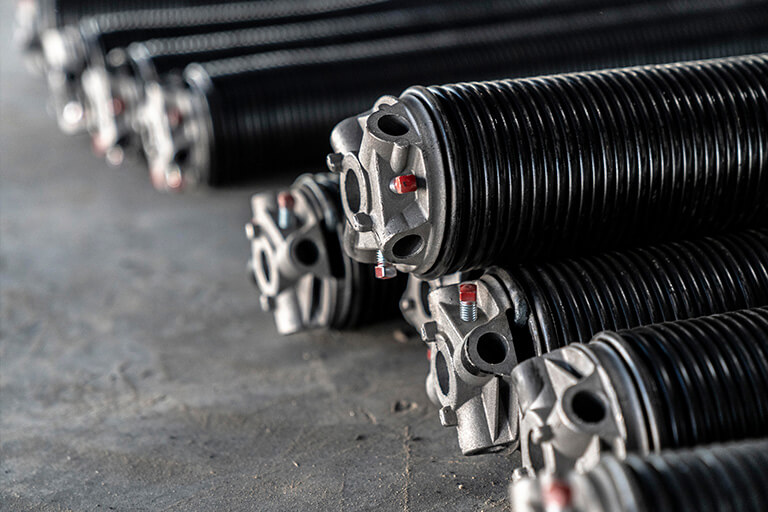
- Spring Tension Check & Adjustment: The heart of the system! We measure tension and adjust if needed. Garage door spring repair or garage door spring replacement is dangerous DIY territory – leave this to the pros!
- Cable Inspection: Looking for fraying, wear, or damage. A snapped cable can be disastrous.
- Roller Examination: Checking for chipped, cracked, or worn rollers. Nylon rollers are quieter and last longer than metal!
- Track Alignment & Lubrication: Ensuring tracks are perfectly parallel, level, and securely fastened. We clean debris and apply specialized lubricant (not WD-40!).
- Hinge Inspection: Tightening loose bolts and replacing worn or damaged hinges.
- Opener Performance Test: Checking force settings, safety reversal sensors (CRITICAL!), drive mechanism, and overall operation. Lubricating the opener chain/screw drive if applicable.
- Weather Stripping & Bottom Seal Assessment: This is HUGE for Denver efficiency and keeping out dust, snow, and pests! We check the top seal and especially the bottom garage door gasket installation. Replacing worn weather stripping is a common fix during a tune-up – it makes a massive difference in keeping your garage (and home) comfortable. Insulated garage doors rely heavily on intact seals for their efficiency.
- Hardware Tightening: Going over all bolts, brackets, and hardware. Vibration loosens things over time.
- Visual Safety Inspection: Looking for any potential hazards, worn parts, or signs of imminent failure.
- Balance Test: Ensuring the door is perfectly balanced. An unbalanced door strains the opener and wears out components prematurely.
Why not just DIY it? We get it, you’re handy! And there are things you can do visually (look for obvious damage) and listen for (scraping, grinding). You can carefully clean tracks and lubricate rollers/hinges/openers with the right products (ask us!). But messing with springs, cables, or opener settings? That’s a hard no. The risks of severe injury or causing more damage are just too high. Plus, a trained tech spots subtle wear you might miss. A professional maintenance visit is an investment that pays off in safety, longevity, and preventing those “oh crap” moments.
The “Uh Oh” Signs: Don’t Wait for Your Annual Check!
While regular maintenance is key, sometimes your door screams for attention now. If you notice any of these, don’t wait for your scheduled appointment – call for garage door repair near me immediately!
- The Door is Off-Track: This is an emergency. Do not try to operate it.
- Loud Grinding, Scraping, or Squealing: New, unusual noises are a major red flag.
- Slow Operation or Jerky Movement: It shouldn’t struggle.
- Door Won’t Open or Close Fully: Or it reverses for no apparent reason.
- Visible Spring Damage: A gap in a torsion spring, a broken extension spring. Garage door spring services are urgent.
- Sagging Sections or Visible Cable Damage: Don’t ignore structural issues.
- Opener Runs But Door Doesn’t Move: Often a broken spring or cable.
- Safety Sensors Not Working: If the door doesn’t reverse when something blocks the beam, that’s a critical safety hazard. Fix it today.
The Cost of Care vs. The Price of Neglect (Let’s Talk Money)
This is where folks often hesitate. “What’s this tune-up going to cost me?” It’s a fair question! Professional preventative maintenance typically ranges from $100-$200, depending on the company and any minor adjustments or parts needed (like replacing a few rollers or a section of weather stripping).
Now, compare that to the price of waiting for something to break:
- Emergency Garage Door Spring Replacement: $200 – $400+ (depending on type and labor)
- Opener Repair: $150 – $300+
- Opener Replacement: $400 – $800+ (installed)
- Panel Replacement (from damage): $250 – $600+ per panel
- Off-Track Repair: $150 – $300+
- Full New Garage Doors Installation: $1000 – $5000+ (a major investment!)
Suddenly, that $150 annual tune-up looks like pretty cheap insurance, right? IMO, it’s a no-brainer. It prevents minor issues from becoming wallet-busting emergencies and extends the life of your entire system by years. Plus, it keeps everything running smoothly and safely. What’s the price of peace of mind knowing your door won’t fail during the next big snowstorm? Priceless. 🙂
Your Denver Garage Door Maintenance Calendar (The Simple Version)
Let’s make this super easy to remember:
- Schedule Your Annual Tune-Up: Do this in the FALL. Why? It gets your door prepped and inspected before the harsh winter hits. Cold temps make problems worse and repairs less pleasant. Get it done September-November. Mark your calendar! (Need a reminder? Clearview Garage Doors can help with that!).
- Do a Quick Visual & Audible Check Monthly: When you take the bins out, take 30 seconds. Look at the springs (any gaps?), cables (frayed?), tracks (obstructions?). Listen when it opens/closes – any new noises? Does it move smoothly?
- Keep Tracks Clean: Wipe out the tracks with a dry cloth every few months to remove grit and grime (power off the opener first!).
- Listen to Your Door: It talks to you. Grinding, screeching, slowing down – it’s saying “Help!”
- Address Problems Immediately: See an “Uh Oh” sign? Don’t procrastinate. Call a pro for garage door repair near me.
Finding Your Denver Garage Door Pros (Hint, Hint!)
Look, we know you have choices. But when you’re looking for someone to care for one of the hardest-working parts of your Denver home, you want expertise, reliability, and genuine local knowledge. That’s where Clearview Garage Doors comes in. We’re not some faceless national chain; we’re your neighbors. We understand exactly how Denver weather beats up garage doors because we see it every single day. We perform hundreds of these preventative maintenance checks, garage door installations, and repairs (both residential garage door repair and commercial overhead door repair) across the metro.
We don’t just tighten a bolt and leave. We give your entire system a thorough health check, explain what we see, and offer honest recommendations. No pressure, just clear information (hence the name!). Our goal is to keep your door safe, reliable, and lasting as long as possible. If you need garage door spring services, weather stripping replaced, a garage door gasket installation, or just that annual peace-of-mind tune-up, we’d be honored if you called us. Seriously, give us a shout! You’ll see why Denver homeowners and businesses trust us with their doors.
Your Burning Garage Door Maintenance Questions, Answered!
Q1: I never get any problems. Why can’t I just wait until something breaks?
A: Because “something breaking” is often a spring snapping or a cable letting go, which is dangerous and can cause significant damage to the door itself or anything nearby. Preventative maintenance catches the wear that leads to catastrophic failure before it happens. It’s like changing your car’s oil – you do it to prevent engine failure, not after the engine seizes.
Q2: How long do garage door springs actually last?
A: Torsion springs (the big ones over the door) are typically rated for 10,000-20,000 cycles (one cycle = open + close). In Denver, with our temperature swings and dry air, they often fall toward the lower end. If you use your door 5 times a day, that’s about 5.5 years at 10,000 cycles. Extension springs (along the sides) may last slightly less. This is why annual checks are crucial as springs age – we can often spot signs of fatigue before they snap.
Q3: Is replacing weather stripping really worth the cost during maintenance?
A: Absolutely YES, especially in Denver! Worn weather stripping is the #1 reason garages get dusty, drafty, and full of leaves or snowmelt. It lets in cold air in winter and hot air in summer, impacting the temperature of any rooms above or adjacent to the garage. New bottom seals and top gaskets make a huge difference in comfort, energy efficiency (saving you money!), and keeping pests out. It’s one of the most cost-effective fixes we do.
Q4: Can I just lubricate everything myself and skip the pro visit?
A: Lubricating the right parts (rollers, hinges, opener chain/screw – NOT the tracks or springs!) with the right lubricant (silicone or lithium-based garage door lube, NOT WD-40!) is a good supplement to professional maintenance, not a replacement. A pro inspection catches safety hazards, measures spring tension, checks cable integrity, verifies track alignment, and tests critical safety features on the opener that lubrication alone won’t address. DIY lube is good housekeeping; pro maintenance is a vital safety and longevity check.
Wrapping It Up (Don’t Ghost Your Garage Door!)
So, Denver friends, the bottom line is this: Treat your garage door to professional preventative maintenance at least once a year, ideally in the fall. Think twice a year if it’s old, heavily used, or extra heavy (like those awesome insulated garage doors). Listen to it, do quick visual checks, and please, please, call a pro at the first sign of serious trouble.
Ignoring it is tempting, but the potential cost of a major breakdown – both financially and in terms of sheer inconvenience during a Denver winter or storm – is way higher than the price of regular care. Your garage door works hard for you. Show it a little love! It’s not the flashiest part of your home, but when it works flawlessly, you barely notice it. When it fails… well, you really notice it (and not in a good way).
Ready to give your door the Denver-tough TLC it deserves? We’re here to help. Keep it smooth, keep it safe, and keep enjoying that reliable access to your castle! 🙂