Keep Your Garage Door Whisper-Quiet: Our Top Lubricant Picks (and Why It Matters)
Alright, folks, let’s talk about something that gets way less love than it deserves: your garage door lubricant. Seriously, we see more neglected hinges and dry rollers than we care to admit at Clearview Garage Doors here in Denver. Ever been jolted awake by that god-awful SCREEEECH when your door opens? Yeah, that’s the sound of metal crying out for help (and probably annoying your neighbors too). Proper lubrication isn’t just about silencing the racket – it’s about saving you serious cash down the road by preventing wear and tear. Think of it as cheap insurance against bigger headaches. We’ve been elbow-deep in garage door maintenance, repairs, and installations across Denver for years, so trust us, this stuff matters. Let’s dive in and get that door gliding like it’s on ice.
Why Skipping Lube is a Recipe for Disaster (and Expensive Repairs)
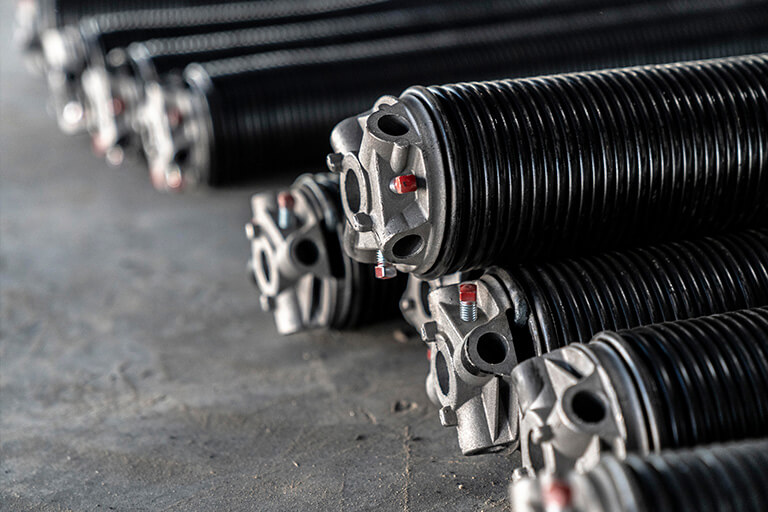
So, why should we care about a little squeak? Well, your garage door is basically a giant, heavy puzzle of moving parts – hinges, rollers, springs, tracks. Without proper lubrication, metal grinds against metal. It’s physics, people! That friction causes parts to wear out way faster than they should. Suddenly, that simple $10 bottle of lube seems like a bargain compared to a full garage door spring replacement or commercial overhead door repair, right? Ever wonder why some doors last decades and others konk out after a few years? Consistent maintenance, including lubrication, is often the unsung hero. Ignore it, and you’re basically inviting garage door repair pros like us over sooner rather than later. And nobody wants to make that call unless they absolutely have to.
The Garage Door Lube Showdown: Silicone, Lithium, and the Imposters
Not all lubricants are created equal. Using the wrong one can be worse than using none at all. Let’s break down the contenders, based on countless service calls and garage door maintenance jobs we’ve handled:
- WD-40 (The “I Know This One!” Mistake): Hold up! WD-40 is a water displacer and light cleaner, NOT a long-term lubricant. It dries out quickly and can actually attract dust and grime, making things grittier. Using this is like putting a band-aid on a broken arm – it might quiet things temporarily but does nothing for long-term health. Please, just don’t. Save it for your bike chain.
- White Lithium Grease (The Heavy Lifter): This thick paste is fantastic for high-load, slow-moving parts. Think heavy-duty hinges, the opener’s chain or screw drive, and especially those critical garage door spring services. It clings well and lasts ages. Downside? It’s messy and can attract dirt if over-applied. We love it for specific spots, but it’s not our go-to for everything.
- Silicone Spray Lubricant (Our Top Pick for Most Jobs): This is the MVP for most residential garage doors. It penetrates deep, doesn’t attract dirt like greasy alternatives, dries clear, and is safe on rubber and plastic (important for weather seals!). It’s perfect for rollers, hinges, and tracks. Plus, it’s easy to apply without making a huge mess. IMO, this is the best all-rounder.
- Teflon-Based Dry Lubricants (The Clean Freak’s Choice): These leave a dry, slippery film. Great for tracks because they minimize dirt buildup. Less messy than silicone spray, but might need reapplication a bit more often. A solid option if dust is a big concern in your Denver garage.
Lubricant Comparison: Picking Your Champion
| Lubricant Type | Best Used For | Key Advantages | Watch Outs | Our Verdict |
|---|---|---|---|---|
| Silicone Spray | Rollers, Hinges, Tracks | Doesn’t attract dirt, safe on rubber/plastic, easy | Can be slippery on floors (wipe excess!) | BEST ALL-ROUNDER for most homeowners. |
| White Lithium Grease | Springs, Heavy Hinges, Openers | Long-lasting, great for high-pressure points | Messy, attracts dirt if overdone, harder to apply | ESSENTIAL for springs & high-load spots. |
| Teflon Dry Lube | Tracks (especially dusty ones) | Clean, minimizes dirt buildup, dry finish | May require more frequent application | Great ALTERNATIVE for tracks. |
| WD-40 | Cleaning ONLY | Temporarily quiets squeaks, displaces water | NOT a lubricant! Dries out, attracts gunk | AVOID for actual lubrication. |
Lubing Like a Boss: Our Step-by-Step Guide (Safety First!)
Okay, you’ve got the right lube. Now, how do we actually do this without causing more problems? Easy. Grab your silicone spray (and maybe some lithium grease), a rag, and let’s get to work. FYI, doing this twice a year (spring and fall) is golden.
- Safety is Non-Negotiable: Unplug your garage door opener! Seriously. The last thing you need is the door deciding to move while your fingers are near a hinge. Also, garage door springs are under insane tension. If one breaks, it’s dangerous. Don’t touch torsion springs yourself – that’s a job for garage door spring repair pros like us at Clearview. If you’re unsure, call us. 🙂
- Clean the Gunk: Wipe down the rollers, hinges, and tracks with a dry rag. Get rid of old grease, dirt, and cobwebs. Lubing over grime is pointless.
- Lube the Moving Parts (Sparingly!):
- Rollers: Focus on the bearings at the ends. Give a short burst of silicone spray to each roller’s top and bottom bearings. Don’t soak them!
- Hinges: Apply silicone spray where the hinge pins rotate. Work the hinge back and forth a few times to work it in. For center hinges on heavier doors, a dab of white lithium grease is smart.
- Tracks: Lightly spray the inside vertical tracks where the roller wheels run. Avoid the bottom where the door closes – lube here can interfere with safety sensors. A Teflon dry lube is excellent here too.
- Springs (CAUTION): For extension springs (long springs running parallel to the tracks), you can lightly wipe them down with a silicone-lubed rag. DO NOT touch torsion springs (the big coil above the door)! That’s garage door spring replacement territory and requires specialized tools/knowledge. If in doubt, skip it and call us.
- Wipe Away Excess: Use your rag to wipe off any drips or excess lubricant. This prevents it from attracting dirt or dripping onto your car.
- Operate the Door: Plug the opener back in and run the door through a few full cycles. This distributes the lubricant evenly. Listen for that beautiful silence!
Uh Oh… When Lube Just Isn’t Cutting It
Sometimes, that screech or grinding noise means trouble lubrication won’t fix. Here’s when it’s time to pick up the phone and call Clearview Garage Doors for garage door repair or commercial garage door repair if it’s a business:
- The Noise Persists: If you’ve lubed everything properly and it still sounds like a dying pterodactyl, you likely have worn rollers, bent tracks, or spring issues.
- The Door is Uneven or Jerky: This screams track misalignment or failing rollers. Forcing it can cause major damage.
- Visible Wear or Damage: Cracked rollers, frayed cables, or a sagging door section? Stop using it immediately! These are safety hazards.
- Broken Springs: If a spring breaks, your door won’t open (or might crash down). This is an immediate repair need. Garage door spring services are core to what we do safely in Denver.
- Drafts or Water Leaks: If your insulated garage doors aren’t sealing, lubrication won’t help worn weather stripping. You’ll need garage door gasket installation or new bottom seals. Drafty Denver winters are no joke!
Ignoring these signs just hikes up the cost later. A small repair now is always cheaper than a full garage door installation later.
Insulated Doors & Weather Stripping: Special Considerations for Denver Climates
Living in Denver means dealing with serious temperature swings and dry air. If you have insulated garage doors (which we highly recommend for energy efficiency!), lubrication is even more crucial. The extreme cold can make standard lubricants thicken, while summer heat can thin them out. Silicone spray handles our climate beautifully – it stays stable across a wide temperature range. Also, pay attention to your weather stripping! Dry, brittle seals let in cold drafts, dust, and pests. Lubricate the rubber weather stripping lightly with silicone spray once a year to keep it supple and sealing properly. It prevents cracking and extends its life. If it’s cracked or torn, garage door gasket installation is a quick fix that saves on heating/cooling price. We see so many Denver homes losing energy through bad seals – it’s an easy win.
The Real Cost: DIY Maintenance vs. Major Repairs
Let’s talk numbers (because everyone wants to know price). A good can of silicone spray? Maybe $8-$15. A tub of white lithium grease? Around $10. Investing in these and spending 20 minutes twice a year? Priceless (well, almost). Now, compare that to the cost of common repairs we see due to neglect:
- Garage Door Spring Replacement: $200 – $400+ (Torsion springs cost more than extension springs).
- Roller Replacement (Full Set): $150 – $300.
- Track Realignment/Repair: $150 – $250.
- Full Opener Repair/Replacement: $200 – $600+.
Suddenly, that $10 lube looks like a genius investment, right? And if you’re searching “garage door maintenance near me” because you just don’t have the time or confidence, a professional tune-up from Clearview (which includes lubrication, safety checks, and adjustments) is still far cheaper than waiting for a breakdown. Think of it as scheduled maintenance for your car – skip the oil change, pay for the engine rebuild.
Your Garage Door Lubrication FAQs Answered
We get these questions all the time at our Denver shop:
-
“How often should I really lubricate my garage door?”
Twice a year is the sweet spot – ideally in spring and fall before extreme temperatures hit. If your door gets heavy use or you live in a very dusty area, every 3-4 months isn’t overkill. Listen to your door! -
“Can I use motor oil or vegetable oil as a substitute?”
Absolutely not. Motor oil is too thin, attracts dirt like crazy, and can damage rubber components. Vegetable oil? It gets sticky, rancid, and attracts pests. Stick with products designed for garage doors – silicone spray or lithium grease are your friends. -
“I lubricated it, but now my door is opening/closing slowly. What did I do wrong?”
You probably overdid it, especially on the tracks or rollers. Excess lubricant can actually create drag and gunk up the works. Wipe off any visible excess with a clean rag. If it persists, you might have a different issue like opener settings or worn parts – give us a shout at Clearview. -
“Do I need to lubricate brand-new garage doors?”
Yes, but maybe not immediately. New garage doors often come pre-lubricated from the factory. Check your owner’s manual. Generally, we recommend giving it a light lubrication after the first 3-6 months, then sticking to the twice-yearly schedule. Factory lube doesn’t last forever.
Wrapping It Up: Silence is Golden (and Saves You Money)
So, there you have it – the lowdown on keeping your garage door running smoother and quieter than ever. Choosing the right lubricant (silicone spray for most things, lithium grease for springs/heavy spots) and applying it correctly twice a year is the simplest, most cost-effective way to extend your door’s life and avoid those nasty repair bills. Remember, ignoring little squeaks leads to big garage door repair headaches. And hey, if you’re in Denver and the thought of touching those springs makes you sweat, or your door just sounds angry no matter what you do, that’s what we’re here for. At Clearview Garage Doors, we handle everything from garage door installation and commercial overhead door repair to simple maintenance checks and garage door spring replacement. Don’t let a neglected door cost you a fortune – a little lube or a quick professional visit keeps everything humming. Give us a call next time that screech starts; your ears (and wallet) will thank you! Now, go show that garage door some love. 🙂