How To Spot A Failing Garage Door Motor Before It Leaves You Stranded (And Maybe A Little Embarrassed)
Okay, let’s get real. We’ve all been there. You hit the garage door opener button, coffee in hand, ready to conquer the day… and nothing happens. Or worse, it starts moving like it’s got concrete shoes on. That sinking feeling? Yeah, we know it well at Clearview Garage Doors in Denver. We see panicked calls every week from folks whose garage door motor decided to quit without notice. But here’s the good news: these motors almost always throw a few warning signals before they give up the ghost. Spotting them early can save you cash, stress, and that awkward moment when your car is trapped inside. Let’s break down how to play detective on your garage door opener before it dies a dramatic death.
Your Motor’s Cry for Help: The Unmistakable Signs
Think of your garage door motor like a grumpy old car. It doesn’t just explode one day (usually). It whines, it hesitates, it acts weird. Here are the big red flags we tell our Denver neighbors to watch for:
H2: That Sound Isn’t Normal, We Promise
- Grinding or Screeching: If your motor starts sounding like a bag of nails in a blender, that’s bad news. It often means internal gears are wearing down or bearings are shot. IMO, this is the #1 sign folks ignore until it’s too late.
- Humming Without Moving: The motor gets power (you hear the hum), but the door doesn’t budge. This screams “I’m trying, but I can’t!” It could be a seized gear, a failing capacitor, or even a problem with the garage door springs themselves (which we’ll get to).
- Jerky or Stuttering Movement: Smooth operation is key. If your door starts lurching like a zombie walk, the motor’s drive mechanism is likely struggling.
H2: It’s Slower Than a Denver Snowstorm in April
Seriously, has your door started moving at a snail’s pace? A healthy motor lifts standard doors in 7-15 seconds. If yours is taking noticeably longer, the motor is losing strength. This isn’t just annoying; it puts extra strain on every part of the system, including those critical garage door springs. Don’t let laziness become a full-blown breakdown.
H2: The Light Show (And Not the Fun Kind)
- Lights Flickering or Behaving Oddly: Many openers have lights that flash specific patterns to indicate errors. Consult your manual! A blinking light isn’t just decoration; it’s Morse code for “Help me!”
- Overheating: Touch the motor case (carefully, when it’s been off!). If it’s hotter than a Colorado summer sidewalk after running, it’s working way too hard. This shortens its lifespan dramatically.
H2: Remote Roulette: When Nothing Works Reliably
You press the button. Nothing. Press it again. Maybe it works? Maybe it doesn’t? Before you blame the remote batteries (which you should check, FYI :)), consider the motor’s receiver. If multiple remotes or the wall button are acting flaky, the motor’s internal receiver might be failing. Annoying? Absolutely. A sign? You bet.
Why Catching This Early is Your Wallet’s Best Friend
Ignoring these signs isn’t just risky; it’s expensive. A motor gasping its last breaths can damage other components. Think chain drives, sprockets, or even force the door itself out of alignment. Suddenly, that motor replacement cost looks like a bargain compared to a full system overhaul. Plus, a completely dead motor leaves you vulnerable – stuck cars, security risks, and the urgent call for emergency garage door repair near me at premium prices. Proactive checks? Way cheaper.
H2: Don’t Forget the Supporting Cast!
Your motor doesn’t work in a vacuum. Often, what seems like a motor problem is actually caused by another component putting it under duress:
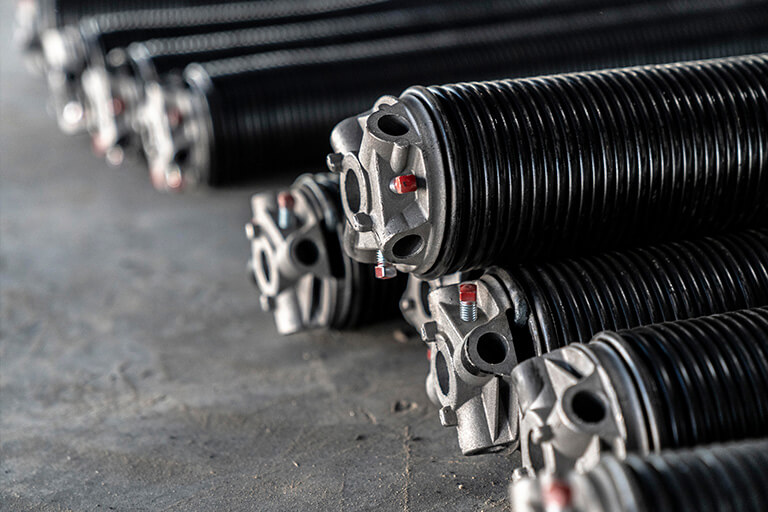
- Garage Door Springs: These are the true workhorses, counterbalancing the door’s weight. If springs are broken or weak, your motor struggles massively. Hear a loud BANG recently? That was likely a spring snapping. Garage door spring repair or garage door spring replacement is critical and DANGEROUS – never DIY this! Call pros like us at Clearview Garage Doors immediately.
- Rollers and Tracks: Worn rollers or bent tracks create immense friction. Your motor strains against it like you trying to push a stalled car uphill. Regular garage door maintenance including lubrication and track alignment checks is vital.
- Weather Stripping & Garage Door Gasket Installation: Wait, how do seals affect the motor? Cracked or missing weather stripping lets in dust, moisture, and extreme Denver temps (hello, freezing winters and hot summers!). This gunk gets into the motor housing, causing premature wear. Replacing weather stripping or installing a new garage door gasket protects your investment.
- The Door Itself: Is your door heavy, old, or damaged? New garage doors, especially insulated garage doors, are often lighter and more efficient than old solid wood ones. Upgrading can actually extend motor life!
H2: When DIY Stops and “Call Clearview” Starts
We love proactive homeowners! Checking remotes, cleaning safety sensors, lubricating rollers? Go for it! But here’s where you absolutely need pros:
- Any electrical diagnosis or repair: Messing with opener wiring is a shock hazard (literally).
- Anything involving springs: These are under extreme tension and can cause serious injury if handled wrong. Garage door spring services are strictly for trained technicians.
- Persistent operational issues: If basic troubleshooting fails, deeper motor or system problems are likely.
- Commercial Overhead Door Repair: For businesses, the stakes are higher – security, daily operations, heavier doors. Commercial garage door repair demands specialized expertise and equipment.
Facing motor trouble in Denver? Don’t gamble. Give us a shout at Clearview Garage Doors. We diagnose accurately, explain your options (repair vs. replace), and get you sorted fast. Why risk a full breakdown when a quick check could save the day?
H2: The “What’s It Gonna Cost Me?” Reality Check
Let’s be upfront: cost is always a factor. Repairing a motor might be possible (often $150-$300+ depending on parts), but sometimes replacement is smarter, especially on openers 10+ years old. New opener price depends on:
- Horsepower needed (heavier doors/insulated garage doors need more power).
- Features (battery backup, Wi-Fi, security).
- Type (chain, belt, screw drive – belt is quieter!).
Replacing the whole system? Garage door installation costs vary wildly based on door material (steel, wood, insulated), size, windows, and opener type. We provide clear, upfront quotes – no nasty surprises. Investing in quality new garage doors and a good opener pays off in longevity and fewer repair calls.
H2: Your Symptom Cheat Sheet
| Symptom | Likely Culprit | Severity | What To Do Next |
|---|---|---|---|
| Loud grinding/screeching | Worn gears/bearings inside motor | High | Stop using! Call for diagnosis ASAP. |
| Humming but no movement | Seized gear, failed capacitor, OR bad springs | Critical | Do not force it! Check springs visually from a distance. Call pro immediately. |
| Door moving very slowly | Motor weakening, excessive friction | Medium-High | Lubricate rollers/tracks. Check springs. If persists, call. |
| Intermittent operation | Failing receiver, wiring issue, remote problem | Medium | Replace remote batteries first. Check safety sensors are clean/aligned. If persists, call. |
| Motor overheating | Overworked due to friction, bad springs, old age | High | Let it cool. Identify cause (friction? springs?). Call if recurrent. |
| Lights flashing codes | Internal motor error/fault | Varies | Consult manual for code meaning. Then call. |
H2: Keep That Motor Purring: Maintenance Matters
Want to avoid most of this drama? Regular garage door maintenance is your shield:
- Listen & Watch Monthly: Operate the door. Does it sound smooth? Move evenly?
- Lubricate: Lightly lubricate rollers, hinges, and the opener’s chain/belt every 6 months (use silicone or lithium grease, NOT WD-40!).
- Check Balance: Disconnect the opener (pull the red emergency release). Manually lift the door halfway. If it doesn’t stay put, your springs are failing – call for garage door spring replacement!
- Inspect Seals: Look for cracked or missing weather stripping at the bottom and sides. Replace if needed.
- Test Safety Features: Place an object (like a roll of paper towels) in the door’s path while closing. It should reverse immediately.
- Clear the Tracks: Wipe out debris from the vertical tracks.
A little maintenance saves a ton on future garage door repair bills. Think of it like an oil change for your car – skip it, and you’ll pay later.
H2: Your Burning Questions, Answered
-
Q: Can I just replace the garage door motor itself?
A: Sometimes, yes! If the motor unit is separate from the main drive assembly and the rest of the opener is in good shape (rails, drive mechanism), a motor swap might be feasible and cost-effective. However, on many modern openers, the motor is integrated. We’ll give you an honest assessment at Clearview – repair if sensible, recommend replacement if it’s the smarter long-term play. -
Q: My opener is over 15 years old and acting up. Should I repair or replace?
A: IMO, replace it. Technology (safety features, efficiency, quietness) has improved massively. Parts for old models get scarce and expensive. The cost of frequent repairs on an ancient opener will likely surpass the price of a new, reliable unit. Plus, newer openers work better with insulated garage doors. -
Q: How often should I get professional garage door maintenance?
A: We recommend a professional tune-up once a year. A trained tech spots issues you might miss – like slight spring wear, track misalignment, or worn rollers – before they cause motor strain or failure. It’s preventative medicine for your door! -
Q: I need commercial overhead door repair. Is it different from residential?
A: Absolutely. Commercial garage door repair involves heavier doors, higher cycles (more frequent use), complex high-lift systems, and often stricter safety/compliance needs. The motors are bigger and more powerful. Don’t trust a residential specialist with your business’s vital door – ensure you use a company experienced in commercial overhead door repair, like Clearview Garage Doors.
Don’t Wait for the Funeral March
Spotting a failing garage door motor isn’t rocket science; it’s about paying attention to the grumbles and groans. Heed the warning signs we’ve outlined – the noises, the sluggishness, the weird behaviors. Tackle small issues with simple maintenance, but know when to call in the cavalry (that’s us!) for garage door spring repair, motor issues, or anything involving sparks or giant springs under tension. Ignoring the whispers means you’ll get the shout – a dead motor and a door that won’t budge.
Living in or around Denver? Whether you need a quick check, garage door gasket installation, a full garage door installation, or expert commercial garage door repair, Clearview Garage Doors has your back. We keep garage doors running smoothly so you don’t have to sweat the small stuff (or the big, broken stuff). Don’t wait for the final curtain call on your motor – give us a ring today and keep your garage access drama-free!