How To Silence That Screaming Garage Door in 5 Easy Steps (Because Seriously, It’s Time)**
Alright, let’s be honest. That ear-splitting screech, groan, or rumble every time you open or close your garage door? It’s not just annoying; it’s practically a neighborhood alert system announcing your comings and goings. And maybe waking the baby. Or the dead. We feel you. We’ve heard it all – literally – working with garage doors day in and day out here in Denver. The good news? Fixing a noisy garage door isn’t always rocket science, and you can often tackle it yourself. So, grab your toolbox (or maybe just a can of lube) and let’s shut that racket up together in 5 straightforward steps.
Step 1: Play Detective – Identify the Source of the Squeak (Because Guessing Doesn’t Work)
You wouldn’t just randomly poke your car engine with a wrench hoping to fix a rattle, right? Same principle applies here. Before we start flinging lubricant everywhere, we need to figure out where that awful noise is coming from. This is step zero, and it’s crucial.
- Listen Up: Open and close the door a few times. Seriously, just stand there and listen. Is it a high-pitched metal-on-metal screech? A lower, grinding rumble? A rhythmic pop or click? Different sounds point to different culprits.
- The Usual Suspects: Pay close attention to:
- The Rollers: Are they metal, nylon, or steel? Old metal rollers are notoriously noisy.
- The Hinges: Where the door sections connect. Listen for squeaks right at the joint.
- The Tracks: Does the noise happen when the rollers move through a specific section of track? Look for dents or debris.
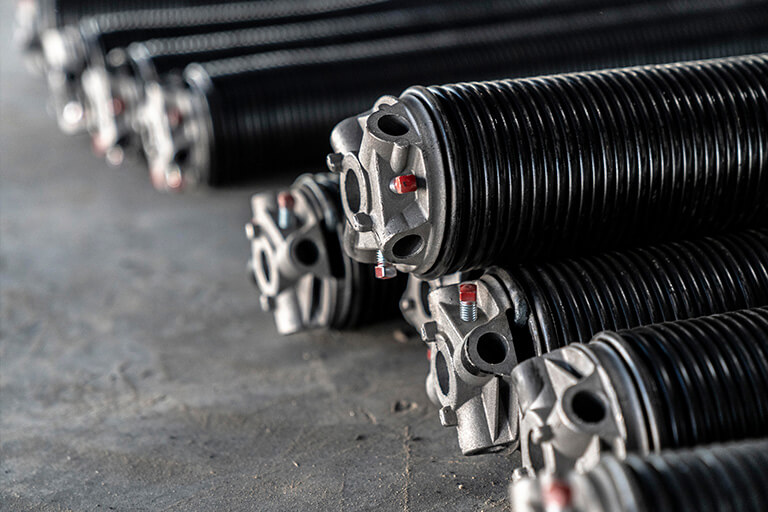
- The Springs: Garage door spring repair often involves loud twanging or pinging noises, especially on extension springs. Warning: Garage door spring replacement is DANGEROUS. We’ll talk more about this later – leave it to the pros!
- The Opener Chain/Belt/Screw Drive: Is the noise coming directly from the motor unit or the drive mechanism?
Pro Tip from Our Denver Shop: Sometimes the noise changes depending on temperature. A hinge that’s quiet in summer might scream in winter. Annoying, we know. IMO, identifying the sound correctly saves you time and wasted effort. Ever wondered why it sounds worse when it’s cold? Metal contracts, tolerances change, and friction increases. Fun times.
Step 2: The Magic Elixir – Lubricate Everything That Moves (But Do It Right!)
Lubrication is your first line of defense against noise and wear. It’s the WD-40 of the garage door world, but hold up – don’t actually use WD-40! That’s a cleaner/penetrant, not a long-term lubricant. Using the wrong stuff can make things worse or attract gunk.
- The Right Stuff: You want a garage door specific lubricant or a high-quality silicone spray lubricant. Lithium-based white grease is also excellent for certain parts (like hinges). Avoid oils that attract dust like a magnet.
- Target Practice: Apply lubricant sparingly to:
- All Hinges: Between the knuckles. Get both sides.
- Rollers: Focus on the bearings inside the roller (if visible) and the stem where it connects to the door bracket. Don’t soak the outside.
- Tracks: A light coating on the inside where the rollers run can help, but don’t overdo it. Wipe off excess.
- Locking Bars/Latches: If your door has them.
- Springs? Garage door spring services pros often lubricate torsion springs (the big one over the door) during maintenance. You can lightly lubricate extension springs (the ones running parallel to the tracks), but avoid getting lube on the cables. FYI, springs are under massive tension. Cleaning them is fine, but messing with them is a big no-no.
How We See It: We’ve fixed countless doors where someone went nuts with cheap oil or grease, creating a sticky, grimy mess that attracted every bit of dust in the garage. Less is more! Apply, run the door a few times, and wipe off any excess. It shouldn’t be dripping.
Step 3: Tighten Things Up (But Don’t Go Hulk Mode!)
Vibration is a major noise culprit, and loose hardware is vibration’s best friend. Grab your socket set or wrench and let’s secure things.
- Check & Tighten: Go around the entire door system:
- Brackets Holding Rollers: These attach the rollers to the door sections. Often a prime source of rattling.
- Track Brackets: The brackets securing the vertical and horizontal tracks to the wall and ceiling. If these are loose, the whole track assembly can shake.
- Hinge Screws: Make sure the screws holding the hinges to the door sections are snug.
- Opener Mounting Hardware: Ensure the motor unit is securely bolted to the ceiling bracket and the bracket itself is tight.
- Spring Anchors: DO NOT TOUCH THESE. Seriously. Just visually check for obvious looseness. If you see a problem here, call a pro immediately. Garage door spring repair requires specialized tools and knowledge.
- The Goldilocks Principle: Tighten firmly, but don’t strip the bolts or overtighten, which can distort parts. Snug is good. Crushed metal is bad.
A Little Humor: We call this the “Rattle Hunt.” Sometimes just tightening one loose bolt on a track bracket is like hitting the mute button. Magic! Why does hardware loosen over time? Vibration, temperature changes, gremlins… take your pick.
Step 4: Roller Rehab – Smooth Operators Win the Noise War
Rollers are the wheels that carry your door up and down the tracks. Worn, damaged, or just plain old metal rollers are often the main source of grinding and rumbling. Upgrading them can be a game-changer.
- Inspect: Look for:
- Cracks or Chips: Especially in nylon rollers.
- Flattened or Worn Edges: Metal rollers develop grooves.
- Rust & Corrosion: Causes grinding and can damage tracks.
- Wobbly Bearings: Grab the roller. If it wobbles excessively side-to-side, the bearing is shot.
- The Upgrade Path: If your rollers are metal and noisy, replacing them with nylon rollers is often the single best noise-reduction upgrade. They are quieter, don’t rust, and run smoother. For heavier doors or high-cycle applications, steel rollers with sealed bearings are also excellent (and quieter than old open-bearing metal ones).
- Replacement Reality: Replacing rollers involves lifting the door slightly off the track to remove the old ones and insert the new ones. It’s manageable DIY if you’re comfortable, but requires care to keep the door stable and aligned. If you’re unsure, garage door repair pros like us at Clearview Garage Doors handle roller swaps quickly and safely. Garage door spring services often include roller inspection and replacement recommendations too.
Our Denver Perspective: We see a lot of doors suffering from old, gritty rollers. Swapping them out for modern nylon ones is like putting premium tires on your car – smoother, quieter ride instantly. Wondering about cost? Roller replacement is generally very affordable, especially compared to the noise reduction payoff.
Step 5: Track TLC – Alignment & Cleanliness Are Key
Even perfectly lubricated rollers will scream if they’re trying to navigate bent tracks or grinding through debris. Your tracks need to be clean, straight, and properly aligned.
- The Clean Sweep: Wipe down the inside of the tracks thoroughly with a rag. Get rid of old grease, dirt, cobwebs, and any stray pebbles or debris that might have found their way in. Isopropyl alcohol works well for a deep clean.
- Alignment Check: Look down the length of the track sections. The vertical tracks should be perfectly plumb (straight up and down), and the horizontal tracks should be level and parallel to each other. Rollers should glide smoothly without binding or jumping.
- The Gap Test: A common test is to check the gap between the roller and the track. It should be consistent and relatively snug, not so tight it binds, not so loose it rattles.
- Adjustment (Proceed with Caution): Track brackets often have adjustment bolts that allow you to shift the track slightly in or out, up or down. Minor adjustments can sometimes fix binding or rubbing noises. However: Adjusting tracks requires precision. Over-adjusting can cause the door to bind or derail. If things look significantly out of whack, or you’re not confident, call for professional commercial overhead door repair or residential service. It’s often safer and faster.
Why This Matters: Think of it like train tracks. If the rails are bent or covered in gunk, that train isn’t running smooth or quiet. Same principle! Ever get that awful grinding noise halfway up? Misalignment or a dent in the track is a likely culprit.
Bonus Step: Know When to Wave the White Flag (And Call Clearview!)
Look, we’re all for DIY spirit. But garage doors are heavy, complex machines under serious tension. Some problems are simply too dangerous or complex for the average weekend warrior. Here’s when to pick up the phone and call Clearview Garage Doors:
- Anything Spring-Related: We cannot stress this enough. Garage door spring repair and garage door spring replacement are extremely hazardous. Those springs store enough energy to cause severe injury or worse. Leave springs to the professionals. Period.
- Broken Cables: Like springs, cables are under high tension. Don’t mess with them.
- Severe Track Damage/Bending: Major bends often require track section replacement, best handled by pros.
- Opener Motor Issues: Grinding motors, strange electrical smells, or complete failure need expert diagnosis.
- Persistent Noise After DIY: You tried the steps, but the racket remains? There might be a deeper issue (worn opener gears, failing bearings in rollers you didn’t replace, structural problems). We have the tools and trained ears to find it.
- Considering New Doors? If your door is ancient, dented, inefficient, or just beyond hope, maybe it’s time for new garage doors. We offer a great selection, including insulated garage doors which are fantastic for Denver’s climate – quieter operation and better temperature control for your garage. Ask us about garage door installation options and pricing!
Denver Folks, We’re Here For You: Whether it’s a simple squeak you can’t pinpoint, a full garage door spring replacement, or you’re exploring insulated garage doors for your home or commercial garage door repair for your business near me, Clearview Garage Doors is your local expert. We understand the specific challenges Denver weather throws at garage doors (temperature swings, dust, occasional hail!). Give us a call – we’ll get that door quiet and reliable again. 🙂
Prevention is Cheaper Than Cure: Quick Maintenance Wins
Want to avoid most noise problems in the first place? A little regular garage door maintenance goes a long way:
- Lubricate Regularly: Hit those hinges, rollers, and locks with proper lube every 6 months. Takes 5 minutes.
- Visual Inspection: Every month or so, just look things over. Check for loose bolts, frayed cables (call us if you see this!), and roller condition.
- Track Check: Ensure tracks are clean and nothing is blocking them. Give them a quick wipe.
- Weather Stripping & Gasket Check: While primarily for sealing, worn weather stripping or a damaged bottom garage door gasket can sometimes cause rattling or wind noise. Replacing these is usually straightforward DIY. We offer garage door gasket installation services too if you prefer.
The Noise Source & Fix Cheat Sheet
| Noise Type | Most Likely Culprits | Primary Fixes | DIY Friendly? |
|---|---|---|---|
| High-Pitched Squeak/Screech | Hinges, Unlubricated Metal Rollers, Track Friction | Lubrication (Hinges, Rollers, Tracks), Tightening Loose Hardware | ✅ Yes (Avoid Springs!) |
| Low Rumbling/Grinding | Worn Metal Rollers, Damaged Roller Bearings, Track Misalignment/Debris | Roller Replacement (Nylon!), Track Cleaning, Minor Track Adjustment (Caution!) | ⚠️ Maybe (Rollers Yes, Major Track/Pro) |
| Rhythmic Popping/Clicking | Loose Hardware (Roller Brackets, Track Brackets), Worn Hinges | Tightening All Hardware, Hinge Lubrication/Replacement | ✅ Yes |
| Loud Twang/Ping | Extension Springs (Fatigue, Misalignment) | Professional Garage Door Spring Repair/Replacement | ❌ NO! Call Pros! |
| General Rattling | Loose Track Brackets, Loose Opener Mounting, Worn Rollers | Tightening Track & Opener Hardware, Roller Inspection/Replacement | ✅ Yes |
| Motor Grinding/Whining | Opener Gear Wear, Motor Issues, Drive Mechanism Problems | Professional Opener Service/Repair | ❌ No (Electrical/Mech) |
Your Noisy Garage Door Questions, Answered (FAQ)
Q1: I lubricated everything, but it’s still noisy! What now?
A: This is super common. Lubrication often masks the symptom but doesn’t fix the root cause if it’s worn parts (like rollers or hinges) or misalignment. Go back to Step 1 – re-inspect closely, especially the rollers and track alignment. If you still can’t find it, it’s time to call a pro like Clearview Garage Doors. We have the experience to diagnose tricky noises quickly.
Q2: How much does professional garage door repair cost?
A: The price or cost varies significantly depending on the problem. Simple fixes like lubrication or tightening might be a minimal service call fee. Roller replacement is generally affordable. Garage door spring replacement is more involved due to the danger and specialized tools. Opener repairs vary by issue. The best way to get an accurate idea? Call us at Clearview Garage Doors for a free diagnosis and estimate! No surprises.
Q3: Is upgrading to nylon rollers worth it?
A: Absolutely, IMO, especially if you have old metal rollers. The noise reduction is dramatic, they require less lubrication, and they won’t rust. It’s one of the most cost-effective upgrades for peace and quiet. We install them constantly on both residential and commercial overhead door repair jobs in Denver.
Q4: My door is super old and dented. Is repair worth it, or should I just get a new one?
A: Great question. If the door is structurally sound and the noise is fixable with rollers, hinges, or lubrication, repair is usually worthwhile. However, if the door panels are badly damaged, it lacks insulation (hello, Denver winters!), or it’s just ancient technology, investing in new garage doors might be smarter long-term. Modern insulated garage doors are quieter, more secure, and energy-efficient. We can assess your specific door and give you honest advice on repair vs. replacement cost and benefits. 🙂
Wrapping It Up (Quietly!)
So there you have it! Silencing a noisy garage door usually boils down to detective work, proper lubrication, tightening, roller attention, and track care. Tackle those 5 steps methodically, and you’ve got a great shot at restoring some much-needed peace to your garage (and your sanity).
Remember the golden rule: Springs and cables are off-limits for DIY. When in doubt, or if the noise persists, your friendly neighborhood experts at Clearview Garage Doors are just a call away. We handle everything from simple squeaks to full garage door installation and commercial garage door repair across Denver. Because honestly? Life’s too short to cringe every time you hit the opener button. Let’s make that door whisper-quiet together! Give us a shout today.