The Ultimate Guide To Garage Door Spring Replacement Costs (Without Making You Want To Slam Your Head Against The Door)
Okay, let’s talk garage door springs. Because honestly, nothing ruins your day quite like that horrific BANG followed by a garage door that suddenly weighs as much as a small elephant. You know the sound. We hear it way too often at Clearview Garage Doors here in Denver. Suddenly, you’re staring at a door that won’t budge, your car is trapped, and the only thought racing through your mind is: “How much is this gonna hurt my wallet?”
We get it. Springs are the unsung heroes (and sometimes villains) of your garage door system. They do all the heavy lifting, literally. And when they go, it’s rarely convenient. So, let’s pull back the curtain on garage door spring replacement costs. We’ll break it down, ditch the jargon, and maybe even crack a joke or two to make the financial sting a little less painful. Spoiler alert: It’s almost always worth calling pros like us – but we’ll get to why.
Why Do These Pesky Springs Break Anyway?
Think about it. Your garage door springs are under insane tension, cycling up and down thousands of times. Metal fatigue is real, folks! It’s like bending a paperclip back and forth – eventually, it snaps. Most residential springs are rated for about 10,000 cycles. Do the math: Open/close twice a day? That’s roughly 14 years. Open it more? Well… you see where this is going. Colorado’s wild temperature swings in Denver don’t help either, constantly expanding and contracting the metal. Regular garage door maintenance is your best defense against a surprise spring failure. Ever noticed a gap letting in drafts? That worn weather stripping isn’t just inefficient, it’s a sign things are aging!
Torsion vs. Extension: The Two Main Culprits (and Their Price Tags)
Not all springs are created equal, and that dramatically affects the cost. Here’s the lowdown:
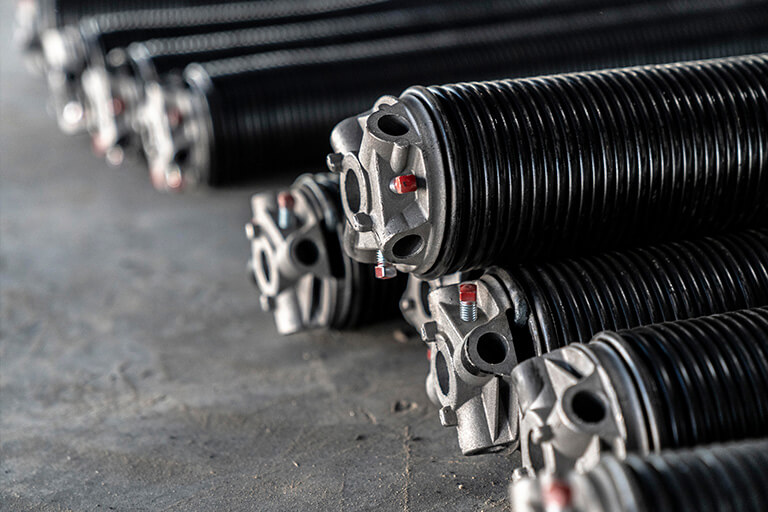
- Torsion Springs: These bad boys sit horizontally above the closed door on a metal shaft. They wind and unwind to lift the door. Pros? Smoother operation, longer lifespan, safer (usually contained), and better for heavier doors (like those awesome insulated garage doors Denver homes love for energy efficiency). Cons? Replacement is more complex and therefore costs more. It requires precise winding and specialized tools. FYI, this is the type we see most often in modern setups.
- Extension Springs: These run vertically along the horizontal tracks on each side. They stretch and contract. Pros? Generally cheaper to buy. Cons? Shorter lifespan, potentially more dangerous if they snap (they can fly), and less ideal for heavy doors. We find these more often in older homes.
So, which one do you have? Look up! Torsion springs are above the door. Extension springs are along the tracks. Knowing this is step one in understanding your price quote.
What Really Determines Your Garage Door Spring Replacement Cost?
Alright, let’s get down to brass tacks. The final bill isn’t just pulled out of thin air. Several factors play a huge role:
- Spring Type: As we just covered, torsion spring replacement is almost always more expensive than extension spring replacement due to the complexity and risk involved. IMO, the extra cost for torsion is worth the safety and longevity.
- Spring Size & Weight Rating: Your door’s weight dictates the spring strength needed. A heavy, double-car door with insulated garage doors panels needs a much beefier (and pricier) spring than a lightweight single-car door.
- Quantity: Single spring system? Or a double spring system? Needing two torsion springs replaced doubles the parts cost and adds labor time.
- Labor Costs: This is where expertise and location matter. Labor rates vary significantly. Complex jobs, like replacing springs on high-lift doors or those with tricky space constraints, take longer. Calling a local Denver pro like Clearview Garage Doors ensures you get someone familiar with our specific climate challenges and common door types.
- Additional Parts Needed: Sometimes, when a spring goes, it takes other components with it – cables, pulleys, rollers, or even the center bearing plate on torsion systems. Be prepared for potential add-ons.
- Urgency & Time: Need it fixed at 8 PM on a Sunday? Emergency service commands a premium. Standard business hours are always kinder to your budget.
- Commercial vs. Residential: Commercial overhead door repair or commercial garage door repair involves larger, heavier doors and often more complex spring systems, leading to significantly higher costs than residential garage door spring repair.
Let’s Talk Numbers: Garage Door Spring Replacement Cost Breakdown
Okay, enough theory. You want numbers! Here’s a realistic snapshot of what you might expect for garage door spring replacement in the Denver area. Remember, these are averages – your specific situation could be higher or lower.
| Service Type | Average Cost Range (Parts & Labor) | Key Factors Influencing Cost | Notes |
|---|---|---|---|
| Single Extension Spring Replacement | $150 – $250 | Door weight, spring size, cable condition | Most common on older single-car doors. Generally the least expensive. |
| Pair of Extension Springs Replacement | $200 – $350 | Door weight, spring size, cable/pulley condition | Standard for most single-car doors. Safer to replace both at once. |
| Single Torsion Spring Replacement | $225 – $350 | Door weight, spring wire size/length, bearing plate | Common for lighter single-car doors or one spring in a dual system. |
| Pair of Torsion Springs Replacement | $350 – $550+ | Door weight, spring specs, shaft/bearing condition | Standard for most double-car doors and heavier insulated doors. Highly recommended to replace both simultaneously. |
| Commercial Torsion Spring Replacement | $500 – $1500+ | Door size/weight, spring specs, accessibility | Costs escalate quickly with door size and complexity. Requires specialized expertise. |
Key Takeaways from the Table:
- Replacing springs in pairs is almost always recommended. If one spring fails, the other is likely near the end of its life too. Doing both saves you a second service call and labor fee down the road.
- Torsion springs cost more but offer better performance and safety. That extra investment often pays off.
- Commercial jobs are a whole different ballgame. The size and weight mean significantly higher parts and labor costs.
- These prices typically include professional labor and disposal of the old springs. Always confirm what’s included in a quote!
DIY Spring Replacement: A Cautionary Tale (Or, Why We Have Jobs)
We see the YouTube videos. We hear the bravado. “How hard can it be?” Famous last words, right? Look, replacing garage door springs is consistently ranked among the most dangerous DIY home repairs. Seriously.
These springs hold hundreds of pounds of tension. Mishandling winding bars (or using the wrong tools, like a screwdriver!) can turn them into lethal projectiles. We’re not trying to scare you (okay, maybe a little), but we’ve seen the aftermath, and it ain’t pretty. Professional garage door spring services exist for a reason: training, specialized tools, safety protocols, and insurance. The potential ER bill far outweighs the labor cost of hiring a pro like Clearview Garage Doors. Save the DIY spirit for painting the shed 🙂
Beyond the Spring: Other Services That Might Pop Up (Or You Should Consider)
While we’re fixing your springs, we often spot other issues. It’s like taking your car in for an oil change and finding out you need brakes. Being proactive saves money long-term. Common add-ons or related services include:
- Garage Door Cable Replacement: Worn or frayed cables are a major safety hazard and often fail alongside springs. Never ignore damaged cables.
- Roller Replacement: Worn nylon or steel rollers cause noise and strain the whole system. Upgrading to nylon rollers is a quiet game-changer.
- Garage Door Gasket Installation/Replacement: That rubber seal along the bottom? That’s the gasket. If it’s cracked or missing, you get drafts, dirt, and maybe even critters. Replacing weather stripping (including side seals) boosts energy efficiency dramatically, especially crucial with our Denver seasons.
- Lubrication & Full Garage Door Maintenance: A thorough tune-up (cleaning tracks, lubricating hinges/springs/rollers, checking balance and safety sensors) can extend the life of your new springs and prevent the next component failure. Regular garage door maintenance is the best insurance policy.
- New Garage Doors: Sometimes, if the door itself is ancient, bent, or incredibly inefficient, replacing the entire unit alongside the springs makes more financial sense long-term, especially if you’re eyeing insulated garage doors.
Repair or Replace? Making the Smart Call on Your Garage Door
So, your spring broke. Is replacement the only option? For the spring itself? Almost always yes. Springs aren’t really repairable. But what about the whole door? Consider new garage doors if:
- Your door is over 15-20 years old.
- It’s dented, damaged, or looks terrible.
- It lacks insulation (hello, energy bills!).
- You’re facing multiple repairs (springs + panels + opener issues) – the costs add up fast!
- You just want an upgrade in style, security, or efficiency.
A good garage door installation company (ahem, like us at Clearview) can help you weigh the cost of constant repairs vs. the investment in a new, reliable, efficient door.
Choosing Your Garage Door Spring Warrior: Why Local Matters in Denver
Not all garage door repair companies are created equal. When searching for “garage door spring repair near me” or “commercial overhead door repair Denver,” look for:
- Licensed & Insured: Non-negotiable. Protects you and their workers.
- Experience & Expertise: Specifically with spring replacement. Ask how long they’ve been doing it!
- Transparent Pricing: Upfront quotes, no hidden fees. Beware of the “$99 special” – it rarely covers what you actually need.
- Local Presence: Why choose a Denver company like Clearview? We know the specific wear-and-tear our climate causes. We’re familiar with common door models here. We can get to you faster if you’re locked out. And our reputation in the community matters to us. 🙂
- Good Reviews: Check Google, Yelp, BBB. What are real customers saying?
We might be biased, but we built Clearview Garage Doors on providing honest, expert service right here in Denver. We won’t upsell you needlessly, but we will give you the straight story on what your door needs. Give us a call for a clear, no-obligation quote next time you need garage door spring services or any other door TLC!
Garage Door Spring Replacement FAQs: Your Burning Questions Answered
Let’s tackle some of the most common questions we get about garage door spring replacement:
-
“Can I just replace one spring?”
- Technically, sometimes yes (especially if one broke very early). But we strongly advise replacing torsion and extension springs in pairs. The remaining spring is under extra stress and likely near failure. Replacing both ensures balanced operation, safety, and prevents another imminent breakdown (and service call fee!). It’s almost always more cost-effective long-term.
-
“How long should new garage door springs last?”
- Quality torsion springs, professionally installed, typically last 7-15 years (or 10,000-20,000 cycles). Extension springs usually last 5-10 years (7,000-12,000 cycles). Lifespan depends heavily on usage (cycles per day), climate, maintenance (lubrication!), and door weight. Regular garage door maintenance is key!
-
“Why is there such a big price range in your table?”
- The main variables are the type of spring (torsion vs. extension), the size/weight rating needed for your specific door, and whether you need a single spring or a pair. Door size (single vs. double car), material (steel vs. wood vs. insulated), and height (standard vs. high-lift) dramatically affect the spring required. Labor complexity (access, other repairs needed) also plays a role. A heavy, double-car insulated door needing two torsion springs will be at the higher end.
-
“What happens if I don’t replace a broken spring?”
- Your garage door becomes extremely heavy and dangerous to operate manually. You risk damaging the opener (if you force it), bending the door panels, or causing further damage to cables, rollers, and tracks. Most importantly, manually lifting a door without spring assistance is a major injury risk due to the sudden weight. Don’t try to force it! Call a pro for garage door spring repair.
Wrapping Up: Don’t Let a Broken Spring Break Your Spirit (Or Your Door!)
So, there you have it – the not-so-mysterious, but definitely important, world of garage door spring replacement costs. Yeah, it’s an expense nobody plans for, but it’s a critical one for safety and functionality. Remember the key points: know your spring type (torsion vs. extension), understand the factors influencing price (size, labor, pairs), prioritize safety (seriously, skip the DIY heroics!), and consider related maintenance or upgrades (weather stripping, rollers, or even new garage doors).
The best way to avoid panic and get a fair deal? Get quotes from reputable local pros. If you’re in the Denver area and that ominous “BANG” just echoed through your garage, give Clearview Garage Doors a shout. We’ll give you a straight answer, a fair price, and get your door – and your life – back on track safely. Because nobody deserves to be held hostage by their own garage 🙂