Let’s be real—nobody wants their garage door to sound like a screeching banshee every time they open it. (Unless you’re trying to freak out the neighbors, in which case… mission accomplished?) But here’s the thing: proper lubrication isn’t just about saving your eardrums. It’s about extending the life of your garage door, avoiding costly repairs, and keeping everything running smoother than a Denver snowboarder on fresh powder.
At Clearview Garage Doors, we’ve seen it all—from DIY disasters to garage doors that haven’t seen a drop of lube since the ‘90s. And trust us, a little maintenance goes a long way. Whether you’re rocking insulated garage doors to battle Colorado’s wild weather or just trying to silence that creak-creak-CRASH routine, we’ve got your back. Let’s break down the dos, don’ts, and “oh heck no” moments of garage door grease.
Why Garage Door Lubrication Matters (Spoiler: It’s Not Just for Noise)
Ever wondered why your garage door sounds like it’s auditioning for a horror movie? Friction is the villain here. Metal parts grinding against each other wear down hinges, rollers, springs, and tracks—and that’s a one-way ticket to garage door spring replacement or worse. Regular lubrication:
- Reduces wear and tear on moving parts
- Prevents rust (a big deal in Denver’s snowy winters)
- Saves energy by easing the door’s movement
- Avoids emergency calls for commercial overhead door repair (looking at you, business owners!)
But before you grab that WD-40 and go full Picasso on your door, let’s talk strategy.
The Dos: How to Lube Like a Pro
Do Use the Right Lubricant
Not all greases are created equal. For garage doors, stick with:
- Silicone-based lubricants: Dry quickly, resist dirt, and won’t gum up.
- White lithium grease: Heavy-duty stuff for hinges and rollers.
- Avoid WD-40: IMO, it’s a temporary fix—great for loosening rust but evaporates fast. Save it for squeaky bike chains.
Pro tip: At Clearview, we swear by silicone for garage door maintenance—it’s quieter and lasts longer.
Do Target the Right Spots
Focus on:
- Rollers (nylon or steel)
- Hinges
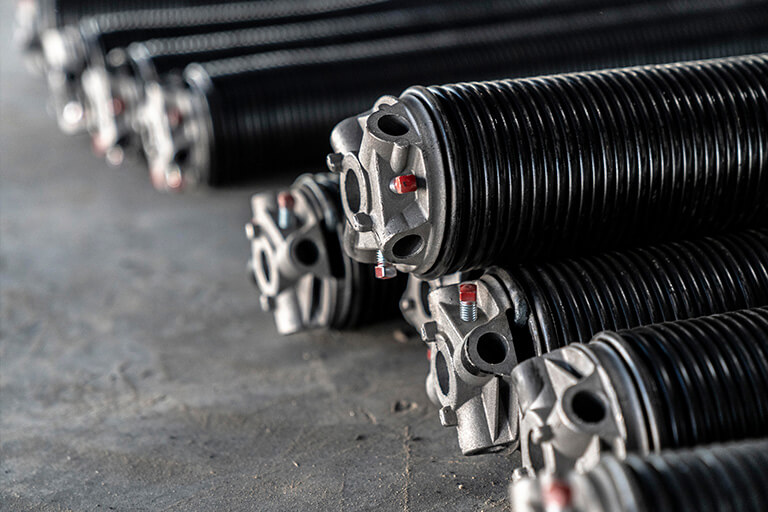
- Springs (yes, even those beastly torsion springs)
- Tracks (lightly—no need for a slip-n-slide situation)
FYI: If your springs look like they’ve seen better days, garage door spring services are not a DIY project. Seriously, those things are under insane tension. Let our Denver team handle it.
Do Clean First
Dirt + grease = gritty sludge. Wipe down parts with a rag or degreaser before applying fresh lube.
The Don’ts: Avoid These Lube Disasters
Don’t Overdo It
More grease ≠ better results. A light coat is all you need. Excess attracts dirt, which grinds down parts faster. Think of it like cologne—subtle is classy; drenching yourself? Not so much.
Don’t Ignore Weather Stripping
While you’re down there, check the weather stripping along the door’s bottom. Cracked or missing? Cold drafts (or summer heat) will sneak in, and your insulated garage doors lose their superpowers.
Don’t Forget Maintenance
Lubing your door once a year is like brushing your teeth once a year—gross and asking for trouble. Aim for every 6 months, especially if you’re running a commercial garage door repair biz with heavy daily use.
When to Call the Pros (Hint: It’s Cheaper Than You Think)
Look, we get it—DIY is satisfying. But some jobs scream “nope”:
- Snapped springs: Garage door spring repair isn’t worth a trip to the ER.
- Track misalignment: If your door’s wobbling like a toddler on roller skates, let us straighten it out.
- New garage doors: Installation is trickier than assembling IKEA furniture. Get it right the first time.
Worried about cost? At Clearview Garage Doors, our price for basic lubrication starts under $100, and we’ll toss in a free inspection. Why risk it?
Lubricant Showdown: Silicone vs. Lithium vs. “Grandpa’s Motor Oil”
| Type | Best For | Pros | Cons |
|---|---|---|---|
| Silicone Spray | Rollers, Hinges | Dries clean, resists dirt | Not for heavy corrosion |
| White Lithium | Hinges, Tracks | Long-lasting, heavy-duty | Can attract dust |
| Household Oil | Emergencies Only | Cheap, readily available | Messy, short-term fix |
FAQs: Your Burning Questions, Answered
1. How often should I lube my garage door?
Twice a year—spring and fall. Mark your calendar, or let us remind you during a garage door maintenance check.
2. Can I use vegetable oil in a pinch?
Technically yes, but… please don’t. It’ll go rancid and attract pests. Your garage isn’t a salad bar.
3. Why is my door still noisy after lubing?
Could be worn rollers, loose hardware, or spring issues. Time to call Clearview for a diagnosis.
4. What’s the average price for garage door installation in Denver?
For standard doors, $800–$1,500. Insulated garage doors or custom designs cost more but save on energy bills.
Final Thoughts: Silence is Golden (And So Is Your Garage Door)
Lubing your garage door isn’t rocket science, but it’s easy to cut corners. A little care now saves you from shouting “WHAT?!” over the noise later—or worse, footing the bill for garage door spring replacement.
And hey, if you’re Googling “garage door repair near me” at 2 a.m. because something’s clanging like a cymbal solo… we’ve been there. Clearview Garage Doors serves Denver day or night, and we’ll have your door quieter than a library in no time.
Ready to ditch the squeaks? Grab that silicone spray, channel your inner mechanic, or just hit us up. Because nobody deserves a garage door that sounds like it’s haunted.